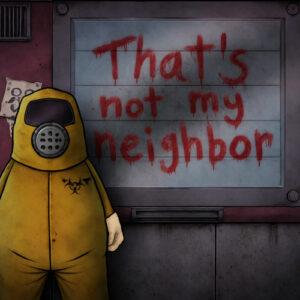
 That’s Not My Neighbor
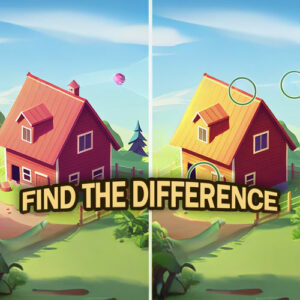

Spot the Difference Games Turn Observation Into the Main Skill
Spot the difference games are built around a simple but demanding loop: compare two scenes, notice what has changed, and act before the timer, mistake limit, or puzzle structure closes in. In this tag, that core idea appears in a few different forms. Find The Difference stays close to the classic hidden-object formula, while Spot the Difference and That’s Not My Neighbor lean on tension, pattern recognition, and close visual inspection in a way that makes every tiny detail matter.
What connects them is not just the act of searching, but the discipline of looking. Players are encouraged to scan backgrounds, object placement, facial details, color breaks, and small changes in shape. The challenge often comes from how ordinary the scene appears at first glance. A room, a character lineup, or a framed image can look nearly identical until one missing item, altered feature, or mismatched element gives the puzzle away.
Careful Scanning Beats Random Clicking
The strongest games in this tag reward methodical attention rather than fast guessing. In Find The Difference, the appeal comes from slowing down and checking the scene in sections instead of relying on instinct. That style of play is typical across the tag: success depends on building a mental map of what belongs in the image and then comparing that map against the version on screen.
Spot the Difference captures the same rhythm, but the pacing can feel sharper when the differences are harder to isolate. Players often work from the edges inward, then move to faces, props, and background details. This is why the genre remains popular with players who enjoy low-action puzzles. The pressure is not about reflexes in the traditional sense; it is about avoiding mental shortcuts.
Small Changes Carry the Whole Puzzle
These games use tiny alterations to create meaningful challenge. A shifted object, a missing sign, a changed expression, or a modified pattern can be enough to break the illusion of sameness. That design works because the player is trained to trust repetition, then punished when repetition is only partial.
That’s Not My Neighbor pushes this idea further by making visual inconsistency feel suspicious rather than merely hidden. Instead of only looking for a difference between two images, the player is also judging whether a figure fits the expected pattern. That creates a different kind of attention: the player is not just spotting change, but evaluating normality against a visual standard. This makes the tag appealing to people who like observation puzzles with a sharper edge of doubt.
Pattern Memory and Side-by-Side Thinking
A defining strength of the tag is how often it trains memory alongside observation. Some differences are obvious only after the player has already formed a strong sense of the image. That means the puzzle is rarely about isolated details alone; it is about remembering how a scene looked a moment ago and comparing that memory to what is present now.
In a game like Find The Difference, side-by-side structure supports this directly. In more tension-driven entries such as That’s Not My Neighbor, memory works with suspicion and verification. The player studies recurring visual cues, then tests them against small deviations. This combination gives the tag a distinctive identity: the best players are often those who can hold multiple visual facts in mind at once without losing track of the whole image.
From Relaxed Puzzles to Suspenseful Inspection
Not every spot the difference game aims for the same mood. Some are calm, almost meditative, giving players room to search at their own pace. Others introduce pressure through rules, time limits, or the sense that a mistake has consequences. That range is part of why the tag works across different audiences.
Find The Difference sits near the classic end of the spectrum, while That’s Not My Neighbor feels more like an inspection challenge with tension built into the premise. Spot the Difference falls between those poles, depending on how the puzzle is presented. The common thread is still visual comparison, but the experience changes a lot based on pace and stakes. Some players want a calm test of concentration; others prefer the added pressure of deciding quickly and correctly.
Why the Tag Works for Short Sessions
Spot the difference games fit naturally into short play sessions because each round has a clear objective and immediate feedback. A player can jump in, solve a few puzzles, and stop without needing a long tutorial or complex system knowledge. That makes the tag easy to approach, but not easy to master.
The best examples in the tag keep the structure readable while increasing difficulty through subtler artwork, tighter visual noise, or more deceptive changes. Across That’s Not My Neighbor, Find The Difference, and Spot the Difference, the focus stays on precision. The player’s progress is measured in sharper eyes, better scanning habits, and a stronger ability to separate real changes from background clutter.