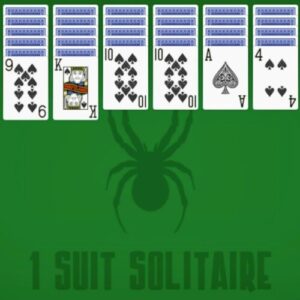
 1 Suit Solitaire
Solitaire Games Built Around Patience and Clean Decision-Making
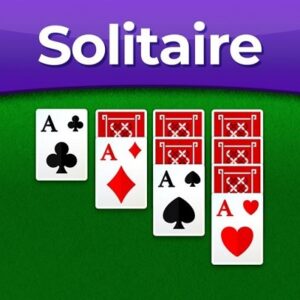
The solitaire tag covers a broad set of card and tile games built around private problem-solving rather than direct competition. In one corner are familiar foundations such as Classic Solitaire, Klondike Solitaire, and Google Solitaire, where the main task is to uncover hidden information, manage alternating colors, and create the right sequence at the right time. In another corner are more specialized variants like FreeCell, Spider Solitaire, and Pyramid Solitaire, which ask for different forms of planning and constraint management. The common thread is not speed alone, but the ability to read a layout, recognize patterns, and avoid locking the board into a dead end.
This tag also includes modern collections and streamlined versions such as Microsoft Solitaire Collection, Solitaire FRVR, and Solitr. Those games keep the familiar structure but change the presentation, pacing, or rule set slightly, which makes the tag useful for players who want recognizable mechanics in a cleaner format. Even Magic Towers Solitaire and Mahjong Gardens fit the same larger habit of careful move selection, where every action changes the available future options. The games here reward attention, restraint, and a willingness to think several steps ahead.
Sequencing Cards Is the Core Skill
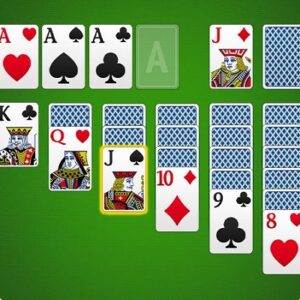
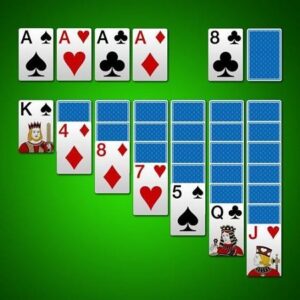
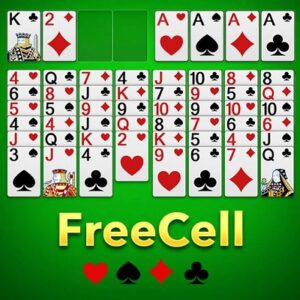
Across the classic card entries, the central challenge is building order out of disorder. Classic Solitaire and Klondike Solitaire ask players to reveal buried cards and keep the tableau flexible, while FreeCell turns open information into a planning puzzle because most cards are visible from the start. That difference changes the feel of the game, but not the underlying skill set. In both cases, the player is managing dependencies: which card must move first, what space needs to be preserved, and when a temporary move is worth spending.
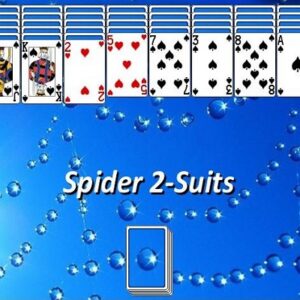
Spider Solitaire, Spider Solitaire 1 Suit, and Spider Solitaire 2 Suits push sequencing into a longer-form structure. Rather than building one foundation at a time, the goal is to complete full descending runs, which makes partial progress more delicate. The single-suit version lowers the complexity, while the two-suit version increases the demand for board reading and patience. That progression is useful for understanding the tag as a whole: solitaire games often scale difficulty by limiting freedom, not by adding more actions.
Different Layouts Change the Type of Thinking
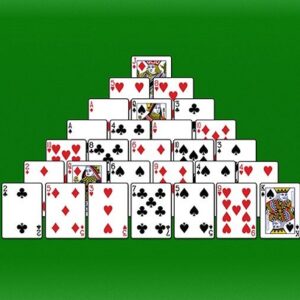
Not every game in the tag behaves like a standard tableau. Pyramid Solitaire uses pair removal to clear a triangular layout, so the challenge becomes matching values while preserving future options under the pyramid. Magic Towers Solitaire uses a different style of board pressure, where the sequence of moves matters as much as the cards themselves. These games keep the solitary, turn-based pace, but they shift the player’s attention from traditional pile management to board shape and elimination opportunities.
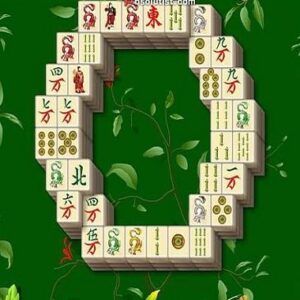
Mahjong Gardens widens the tag even further by bringing tile-matching logic into the same mental space. Instead of building stacks in the way Klondike Solitaire does, the player is scanning for open pairs and planning around blocked pieces. That makes the tag feel less like a single genre and more like a family of low-stress logic games, all centered on careful visibility and limited movement.
Progression Comes from Fewer Mistakes, Not Faster Inputs
One reason these games endure is that progress feels earned through judgment. In Microsoft Solitaire Collection and Solitaire FRVR, the structure is familiar enough for quick play, yet long-term improvement comes from learning when to expose hidden cards, when to move a card to a foundation, and when to leave the board alone. That same pattern appears in FreeCell, where players often spend as much time setting up space as actually clearing cards.
Because the games are built for individual play, they also support different personal goals. Some players want a clean, solvable route through Solitr or Google Solitaire. Others prefer the tighter planning demands of Spider Solitaire or the more constrained elimination logic of Pyramid Solitaire. The tag works well for both groups because success can mean either finishing efficiently or simply surviving a difficult layout without wasting key moves.
Why Familiar Rules Keep Returning
The popularity of this tag comes partly from repetition with variation. Classic Solitaire and Klondike Solitaire preserve the most recognizable form, while Spider Solitaire 1 Suit, Spider Solitaire 2 Suits, and Spider Solitaire adjust the pressure without abandoning the same core rhythm. Magic Towers Solitaire and Pyramid Solitaire show that players are also drawn to rule sets that feel close enough to learn quickly but structured enough to demand careful execution.
That range is what makes the solitaire tag broad rather than narrow. It includes games for short sessions, games that invite repeated attempts, and games that reward methodical improvement over time. The shared appeal lies in seeing a complicated arrangement become manageable through discipline, pattern recognition, and a few well-timed moves.