Restaurant Games Built Around Orders, Timing, and Constant Motion
The Restaurant tag brings together games where service speed matters as much as recipe steps. Titles like Diner Dash, Penguin Diner, and Hot Dog Bush focus on the pressure of keeping customers moving, while the Papa’s series adds a stronger layer of preparation and customization. Across the tag, the core loop is rarely about cooking alone. It is about receiving orders, managing queues, assembling food in the right sequence, and keeping each station under control when demand starts stacking up.
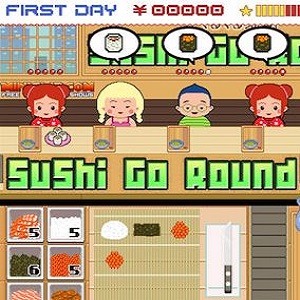
That makes the tag broader than a simple collection of food games. Some entries lean into restaurant management as a timing puzzle, while others turn it into a production line with multiple steps. Sushi Go Round and Leek Factory Tycoon show how service-based play can expand into stock handling and workflow planning, while Cat Coffee Shop and Penguin Diner keep the action tightly focused on serving customers quickly and accurately.
Queue Management Is the Real Challenge
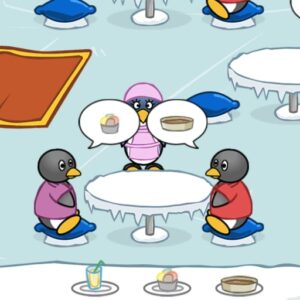
Most of these games are built around prioritizing customers rather than completing one order at a time in isolation. Diner Dash is a clear example: the challenge comes from moving between tables, seating guests, taking orders, and delivering dishes without letting the line get out of hand. Penguin Diner uses a similar pressure cycle, where service efficiency directly affects progress. Even in more specialized games like Papa’s Burgeria or Papa’s Taco Mia, the order queue becomes a kind of puzzle board, with every delay affecting the flow of the kitchen.
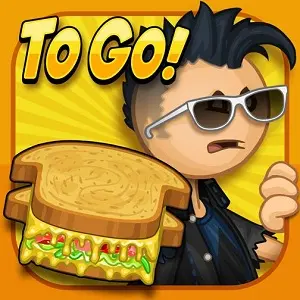
This structure attracts players who enjoy multitasking under pressure. The tension does not come from a single difficult action, but from several small decisions made quickly and repeatedly. Do you seat the next customer now, or finish a pending order first? Do you start a fresh sandwich in Papa’s Cheeseria or clear a completed ticket before the queue grows? The tag consistently turns those choices into the main source of challenge.
Multi-Step Food Prep Gives the Tag Its Variety
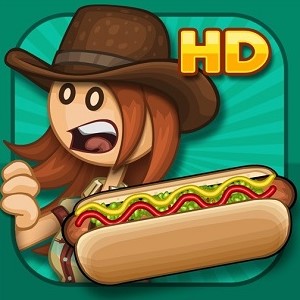
The restaurant theme becomes more interesting when games separate service into distinct stations. The Papa’s titles are especially good at this. Papa’s Pancakeria, Papa’s Freezeria, Papa’s Hot Doggeria, and Papa’s Sushiria each break food service into layered tasks, from preparing a base to adding toppings and finishing presentation. That step-by-step structure changes the skill set: players are not just reacting quickly, but learning the correct order of operations and maintaining accuracy across multiple phases.
That design also makes the tag appealing to players who like systems they can improve through repetition. A round in Papa’s Bakeria or Papas Pizzeria can feel more demanding than a simple serving game because mistakes carry forward from one station to the next. The better the player understands the rhythm, the easier it becomes to keep quality high while managing more tickets at once.
Speed-Service Games Keep the Focus on Movement
Not every restaurant game in the tag is about detailed food assembly. Some lean harder into movement, routing, and fast customer handling. Hot Dog Bush and Diner Dash emphasize placing customers, serving them efficiently, and clearing space for the next wave. Penguin Diner also fits this pattern, where the challenge comes from moving with purpose and reducing dead time between tasks.
In these games, the restaurant floor works like a timing arena. The player learns routes, anticipates customer needs, and tries to avoid bottlenecks. That is very different from the more measured station-based design of Papa’s Cheeseria or Papa’s Burgeria, where the kitchen layout and recipe steps matter more than pathing. Both styles belong under Restaurant, but they reward different instincts: one favors reflexes and spatial efficiency, the other favors process management.
Customization and Presentation Matter Almost as Much as the Food
A noticeable thread across the tag is how often the finished order has to look right, not just taste right. Games such as Papa’s Pancakeria, Papa’s Freezeria, and Papa’s Sushiria care about toppings, layering, placement, and presentation. That gives the restaurant theme a craft-like quality. The player is not simply filling a meter; they are assembling something specific for a demanding customer.
This is part of what separates the Papa’s games from more straightforward serving titles. Papas Cheeseria, Papa’s Bakeria, and Papa’s Taco Mia all make small details meaningful, so precision becomes a form of progress. The better the order matches expectations, the stronger the reward loop feels. For players, that creates a clear link between learning the recipe system and improving performance over time.
Restaurant Games Often Blend Management With Habit-Building
One reason this tag stays popular is that the games invite players into routines. Sushi Go Round and Leek Factory Tycoon suggest the broader appeal of keeping a business running, where success depends on stable systems rather than isolated moments. The Papa’s series follows that same logic with a more personal, hands-on style, turning each shift into a familiar sequence of prep, service, and cleanup.
That structure suits both newcomers and players who want something deeper than a basic reaction test. Early levels usually teach the rules gently, but the systems become more demanding as orders grow more complex. Restaurant games in this tag rarely stay simple for long, because the central pleasure is seeing a service process become more efficient through practice.
From Coffee Counters to Full Kitchens, the Tag Covers Many Pacing Styles
The range inside Restaurant is wider than it first appears. Cat Coffee Shop keeps things compact and cozy, while Leek Factory Tycoon shifts the focus toward production and throughput. The Papa’s games sit in the middle, mixing arcade timing with structured recipes. That variety means the tag can support both short-session play and longer progression-based runs.
What ties the collection together is the idea that food service is a system to be mastered. Whether the setting is a diner, burger stand, coffee shop, or sushi counter, the games ask players to balance pressure, precision, and pace. The details change from title to title, but the restaurant floor is always a place where good decisions have to happen quickly.
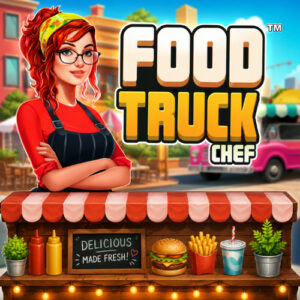 Food Truck: Cooking Games
 Papa’s Donuteria
 Papa’s Wingeria
 Papa’s Cupcakeria
 Penguin Diner 2
 Papa’s Scooperia
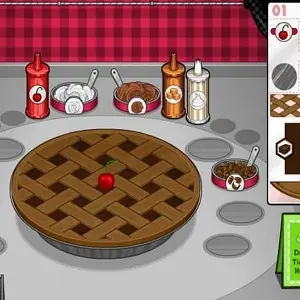 Papa’s Bakeria
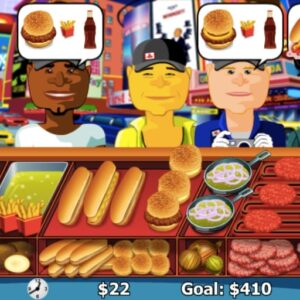 Hot Dog Bush
 Cat Coffee Shop
 Papa’s Sushiria
 Papa’s Pancakeria
 Sushi Go Round
 Penguin Diner
 Papas Cheeseria
 Papa’s Hot Doggeria
 Papa’s Burgeria
 Papas Pizzeria
 Diner Dash
 Leek Factory Tycoon
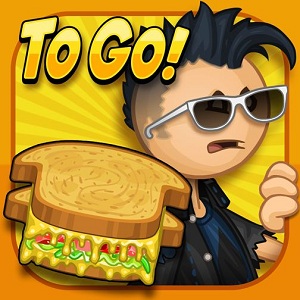 Papa’s Cheeseria
 Papa’s Taco Mia
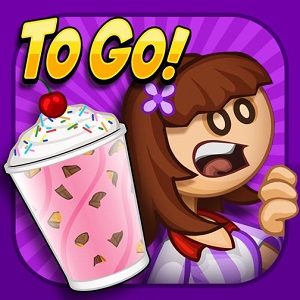 Papa’s Freezeria