Penalty Games Turn One Moment Into the Whole Match
The penalty tag concentrates soccer on a narrow, high-pressure slice of play. Instead of managing full-field passing patterns or long tactical sequences, games like Penalty Shooter: Soccer Cup 2026, Football Penalty 2026, and Penalty Shootout: Multi League focus on the duel between kicker and goalkeeper. That stripped-down setup changes the rhythm immediately: every attempt matters, every save feels decisive, and there is little room to hide behind team structure.
What makes this tag useful is the clarity of its challenge. A penalty game asks for timing, aim, anticipation, and nerve in a format that is easy to understand but hard to master. The player may only control a single shot or a single save, but the outcome depends on reading patterns, choosing direction, and handling pressure over repeated rounds. That is why the same basic format can support both casual play and more competitive loops.
Shot Placement and Goalkeeping Read Each Other Closely
Most penalty games revolve around the relationship between placement and reaction. In Free Kick Master, the emphasis leans toward controlled striking and targeting, while Penalty Kicks and Football Penalty 2026 place more weight on precision under tighter conditions. The difference is subtle but important: some games make the shot itself the main puzzle, while others create a stronger tug-of-war between shooter and keeper.
That tension is what gives the tag its pace. A successful shot often comes from disguising intent, varying direction, or committing to a corner at the right moment. A save usually depends on reading body language, reacting quickly, or picking the right side before the ball leaves the foot. Even when the controls stay simple, the mind game deepens across repeated attempts.
Pressure Builds Through Short Rounds and Sudden Outcomes
Penalty formats are built for immediate consequences. One miss can end a run, while one save can flip momentum. Penalty Shootout: Multi League uses that structure especially well, since shootout formats naturally compress tension into a few decisive actions. The short round structure keeps attention locked on each individual attempt rather than on long-term possession or field control.
This is also why the tag works well for quick sessions. A player can enter a penalty game, take a handful of shots, and still experience a complete arc of risk, adjustment, and result. Some titles lean into tournament-style progression, while others stay closer to repeatable practice. In both cases, the format rewards concentration more than endurance.
Variation Comes From the Rules Around the Kick
Although the core idea stays consistent, the penalty tag covers more than one style of play. Some games emphasize scoring against a keeper, while others treat the player as the goalkeeper and demand fast reads and clean reactions. Some place the action in a cup structure, like Penalty Shooter: Soccer Cup 2026, while others frame the same skill test as a league or series of rounds.
- Shooting-focused games reward aim, timing, and controlled placement.
- Saving-focused games reward anticipation, reaction speed, and pattern reading.
- Competition-based formats add pressure through streaks, brackets, or league-style progression.
- Practice-oriented designs let players repeat attempts and refine consistency.
That range keeps the tag from feeling one-note. Penalty Kicks and Free Kick Master may appeal to players who want clean mechanical repetition, while Penalty Shootout: Multi League and Football Penalty 2026 are better suited to those who want a stronger match-like structure around the action.
Skill Comes From Consistency, Not Complexity
The most notable feature of penalty games is how much they ask from simple actions. There are usually only a few inputs, but the challenge comes from repeating them accurately under pressure. The player has to commit to direction, manage timing, and accept that a small error can change the result instantly. That creates a distinct skill curve: easy to enter, demanding to refine.
Because the format is so focused, improvement is easy to measure. Better aim leads to more corner shots. Sharper reads lead to more saves. Stronger pattern recognition leads to fewer wasted attempts. In Penalty Shooter: Soccer Cup 2026 and Penalty Shootout: Multi League, that feedback loop is part of the appeal, since success depends on making the same basic action more reliable across many rounds.
Why the Penalty Tag Attracts Different Kinds of Soccer Players
This tag works for players who want soccer distilled into its most decisive moments. It suits people who enjoy quick tests of control, as well as those who prefer head-to-head pressure without a full match-length commitment. The format also supports a useful split in play styles: some players want to score through precision, while others want to shut down attempts through timing and reading.
That dual identity is visible across the listed games. Football Penalty 2026 and Penalty Kicks center the shooting experience, while Penalty Shootout: Multi League gives the format more of a competitive frame. Free Kick Master expands the same skill set into a slightly different kicking context, showing how closely penalty games connect to broader ball-striking mechanics even when the setup changes.
Pressure, Repetition, and the Search for Clean Execution
Penalty games are built around repeating a tense action until it feels controllable. That repeated pressure is what gives the tag its identity. The best results come not from elaborate systems, but from clean execution: reading the keeper, committing to a target, and staying composed when the outcome is immediate. The simplicity is deliberate, and it is what lets titles like Penalty Shooter: Soccer Cup 2026, Football Penalty 2026, and Penalty Kicks remain focused on the same core loop while still feeling distinct in structure and pacing.
For players who enjoy short, high-stakes bursts of soccer action, the penalty tag offers a clear and varied set of challenges built from one of the sport’s most recognizable moments.
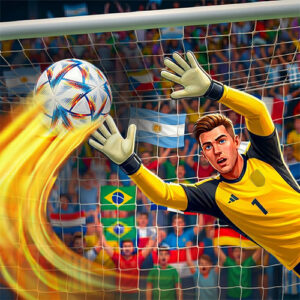 Football Penalty 2026
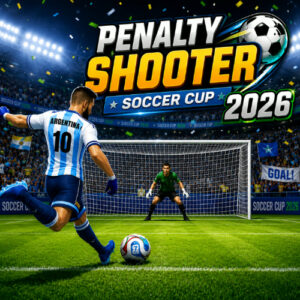 Penalty Shooter: Soccer
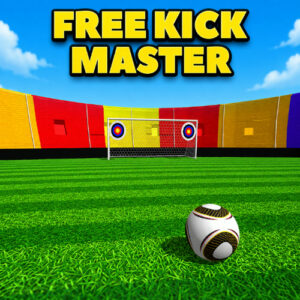 Free Kick Master
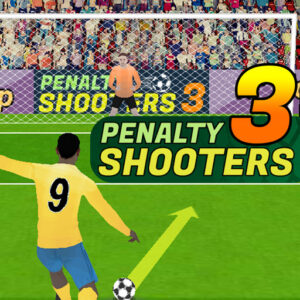 Penalty Shooters 3
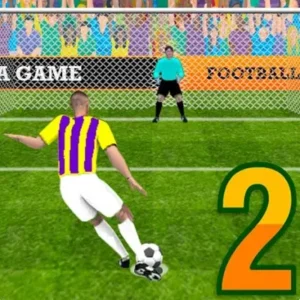 Penalty Shooters 2
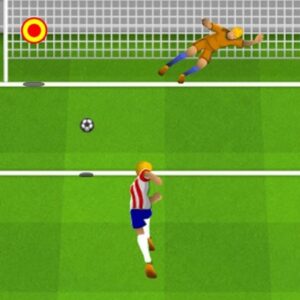 Penalty Shootout: Multi
 Penalty Kicks