 Stealth Master
Ninja Games Balance Speed, Stealth, and Precision
Ninja games on browser platforms tend to split into a few recognizable styles, but they all share a focus on quick decision-making and clean execution. Cat Ninja leans on movement and obstacle timing, Run Ninja Run pushes constant forward momentum, and Epic Ninja usually fits the action-heavy side of the tag with sharper combat and reaction-based play. Even when the presentation differs, the core appeal stays consistent: moving efficiently, avoiding mistakes, and reacting before the level or opponent closes the window.
That mix makes the ninja tag unusually flexible. Some games use the character type for fast platforming, others for combat, and some for more playful or tactical systems like Ninja Painter and Ninja.io. The tag works because the ninja fantasy supports both finesse and aggression without locking the collection into one structure.
Movement Is the First Skill Most of These Games Test
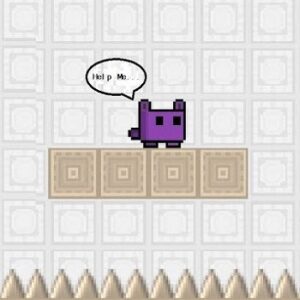
The strongest throughline in this tag is mobility. Cat Ninja and Run Ninja Run both center on movement as the main form of problem-solving, whether that means leaping over hazards, timing jumps, or maintaining rhythm through a level. In these games, the challenge is rarely about stopping to plan; it is about reading the space quickly and staying in control while the pace keeps rising.
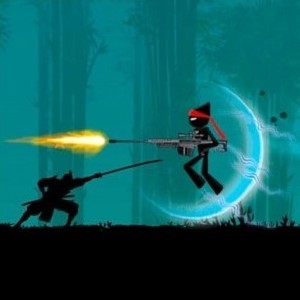
That same emphasis appears in different form in Ninja.io, where movement supports survival in a multiplayer setting, and in action-oriented titles like Epic Ninja, where position can matter as much as attack timing. The tag often rewards players who are comfortable with momentum and can adjust mid-action rather than relying on slow, deliberate inputs.
Stealth and Action Sit Side by Side
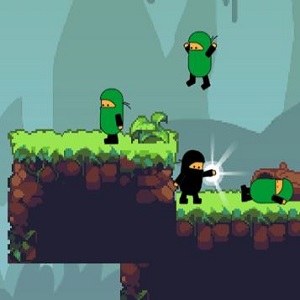
Ninja as a theme carries an expectation of subtlety, but the games tagged here do not all treat it the same way. Some emphasize evasion and timing more than direct confrontation, while others lean into open combat or continuous threat. That contrast is part of what gives the tag its range. A player looking for careful avoidance may be drawn to the platforming side, while someone wanting faster confrontation will gravitate toward titles closer to Epic Ninja or Ninja.io.
Even the games that are not strictly stealth-based still inherit the same design logic: approach problems cleanly, act decisively, and avoid wasted movement. The ninja identity becomes less about hiding in shadows and more about efficiency under pressure.
Skill Expression Comes From Timing More Than Complexity
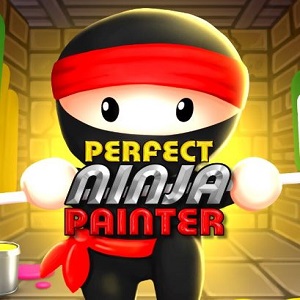
Browser ninja games often keep controls straightforward, but that simplicity hides a strong ceiling for mastery. Run Ninja Run depends on consistent timing and route recognition. Cat Ninja asks for controlled jumps and careful reading of platform spacing. Ninja Painter introduces a different kind of precision, where movement and pathing matter in a more puzzle-like way. The input set may be compact, yet the execution demands can be strict.
That design pattern helps explain why the tag remains appealing across different player groups. New players can understand the objective quickly, while experienced players can chase cleaner runs, faster clears, or more efficient movement. The challenge is often less about learning many systems and more about refining one or two important skills until they feel automatic.
Multiplayer Ninja Games Shift the Focus to Awareness
Ninja.io shows another side of the tag by moving the ninja concept into a competitive arena-style environment. In that format, survival depends not just on movement accuracy but on awareness of other players, changing threats, and the timing of confrontation. The pace becomes less predictable than in a fixed-stage runner or platformer, and that changes the way the ninja identity functions.
Compared with solo games in the tag, multiplayer entries tend to reward spatial judgment and opportunistic play. Instead of memorizing a level, players must constantly adapt to what opponents are doing. That keeps the action flexible and places more value on reading the field than on repeating a known route.
Art and Presentation Often Reinforce the Same Agility
The games in this tag frequently use visuals that support speed and readability. Clear outlines, simple obstacles, and direct feedback matter because the player is often making split-second choices. In Cat Ninja and Run Ninja Run, readable stage design helps movement feel precise. In Ninja Painter, the presentation supports a more playful style while still keeping the route-based challenge clear. Epic Ninja and Ninja.io use their own visual language, but both still depend on making threats easy to track.
That clarity is important because ninja games rarely give players much downtime. The visual design has to match the pace, whether the game is asking for a perfect jump, a quick escape, or a sharp reaction in combat.
Why the Ninja Tag Covers So Many Play Styles
The tag persists because the ninja idea can support many kinds of play without losing its identity. Cat Ninja and Run Ninja Run represent movement-driven challenges, Ninja Painter brings in pathing and puzzle-like precision, Epic Ninja points toward action combat, and Ninja.io adds competitive unpredictability. Together they show that ninja games are less a single genre than a shared style built around agility, timing, and controlled risk.
That variety is useful for players who want short sessions, skill tests, or replayable challenges that do not depend on complicated systems. The tag offers enough overlap to feel familiar, but enough variation to keep the individual games distinct.