 Smarty Bubbles 2







Match 3 Games Built Around Pattern Recognition
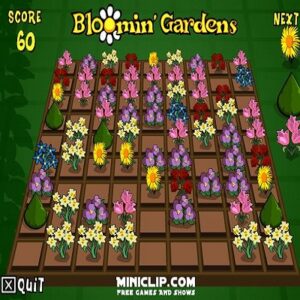
The Match 3 tag brings together games that reward quick pattern spotting, planning, and a steady eye for board state. In this collection, the core appeal is rarely just matching for its own sake. Chuzzle, Tiles of the Simpsons, Blooming Gardens, and Candy Riddles all use familiar tile logic, but each approaches the grid with a slightly different rhythm. Some ask for fast scanning and immediate swaps, while others lean on chain reactions, board clearing, or object placement that changes the puzzle over time.
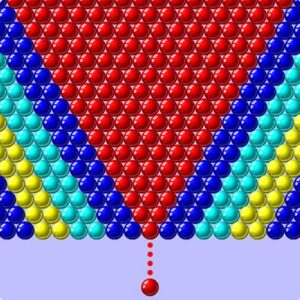
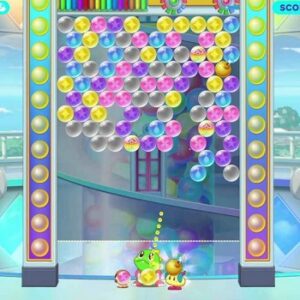
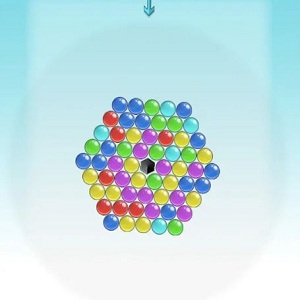
What stands out across the tag is how often match-based play is paired with pressure from layout. Games such as Smarty Bubbles 2, Bubble Shooter 3, Puzzle Bobble, and Bubble Spinner use the same matching principles in bubble-shooter form, where aiming matters as much as grouping. That combination of matching and trajectory creates a different kind of decision-making: players are not just looking for three of a kind, they are reading angles, color clusters, and board collapse.
Bubbles, Angles, and Chain Reactions
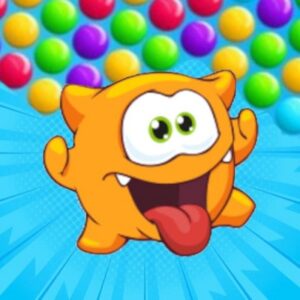
The bubble shooters in the tag show how Match 3 design can move beyond simple swapping. Om Nom Bubbles, Bubble Trouble, and Bubble Tanks 2 all rely on matching through shot placement, and that changes the pace noticeably. Instead of infinite rearranging, each move carries weight because the board advances only through accuracy. This gives the format a more tactical feel than standard tile-matching games.
Poppit fits the same broad appeal, though its pop-and-clear structure pushes players toward efficient board cleanup rather than long combo chains. In games like these, success often comes from setting up future clears instead of chasing isolated matches. A single shot can open a lane, detach a cluster, or create the space needed for a stronger follow-up. That layered planning is a big reason bubble-based Match 3 games stay popular.
Classic Tile Matching and Board Control
The more traditional entries in the tag are built on movement, adjacency, and board management. Chuzzle and Blooming Gardens are good examples of games where the puzzle board itself is the main object of study. The player is constantly judging where the next match will fall, what chain it may trigger, and how the board will shift after each move. These games tend to reward foresight more than speed, though quick recognition still matters when the board becomes crowded.
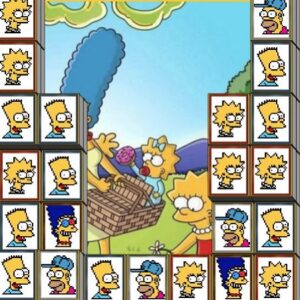
Tiles of the Simpsons uses familiar character-driven presentation, but the underlying logic remains centered on grouping and clearing with attention to layout. Candy Riddles follows a similarly accessible structure, making the tag attractive to players who prefer direct rules and readable outcomes. These games often feel approachable at first, but the challenge increases once board space tightens and available matches become less obvious.
When Match 3 Adds Layers of Progression
Some games in this tag combine matching with broader systems that change the reason to keep playing. Home Design: Decorate House ties puzzle play to decoration goals, giving matches a purpose beyond score. That kind of structure shifts the motivation from solving a single board to working through puzzle sequences in pursuit of a larger unlock. The puzzle becomes part of a progression loop rather than an isolated challenge.
Candy Clicker points to another variation on the tag’s appeal: incremental growth. Even when the matching concept is simplified or reframed, the draw is still pattern-based advancement and steady accumulation. Games in this lane tend to attract players who like visible improvement and repeated short sessions, especially when each completed puzzle contributes to a larger system.
Different Paces, Different Skills
The tag covers a wide range of pace, from fast-reading arcade puzzles to slower, more deliberate board games. Bubble Shooter 3 and Bubble Spinner ask for timing and spatial judgment under pressure, while Blooming Gardens and Chuzzle are more about thinking several steps ahead. Puzzle Bobble sits near the classic arcade side of the spectrum, where shot choice and board pressure matter immediately.
That variety is part of the tag’s strength. Some players are drawn to the satisfaction of clearing a board efficiently, while others prefer the planning involved in setting up a cascade or preserving space for later moves. Match 3 games support both habits because the same basic rule set can be tuned toward speed, precision, or careful sequencing.
Why This Tag Stays Flexible
The games associated with Match 3 show how adaptable the format can be. A title like Chuzzle emphasizes direct tile manipulation, Poppit turns matching into pop-based cleanup, Bubble Trouble and Om Nom Bubbles make aim and bounce part of the puzzle, and Home Design: Decorate House connects puzzles to a larger reward structure. The tag works because it supports both straightforward play and more layered systems without losing its core readability.
For players, that means the same tag can suit short breaks, long puzzle sessions, or repeated progression runs. The strongest games in the group are the ones that make each match feel like a small decision with visible consequences, whether that consequence is a cleared board, a new decorative unlock, or a better-positioned chain for the next move.