 Crazy Shark



Wild Predators, Farm Hunts, and Target Practice
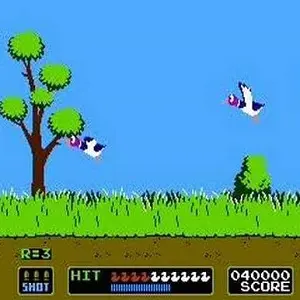
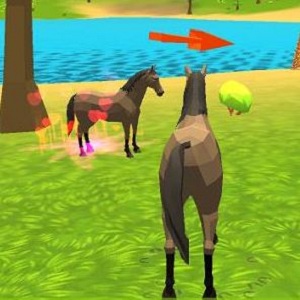
The Hunting tag covers a fairly broad group of browser games, but the common thread is simple: the player is usually tracking a target, managing movement, and timing an action carefully. In Duck Hunt, that means fast reaction and clean aim. In Wolf Simulator, Fox Simulator, or Tiger Simulator 3D, the emphasis shifts toward stalking, chasing, and choosing the right moment to strike. Panda Simulator 3D, Dog Simulator 3D, and Horse Simulator 3D widen the tag even further by focusing on animal movement and survival-style exploration rather than direct shooting alone.
That range makes the tag more varied than it first appears. Some games are about classic hunting reflexes, while others turn hunting into a behavior pattern inside a simulation world. The result is a collection where players may be aiming at birds one minute and navigating a living environment as an animal the next.
Aim, Track, Chase, Repeat
The most recognizable hunting structure is built around locating a target, closing the gap, and acting before the opportunity disappears. Duck Hunt is the clearest example, with its focus on quick visual recognition and precise timing. That same pressure appears in a different form in the animal simulators, where a successful hunt depends less on a reticle and more on pathing, pursuit, and positioning.
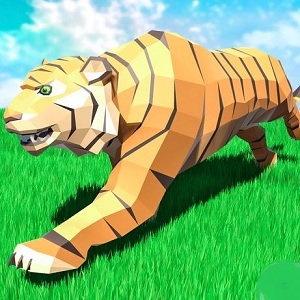
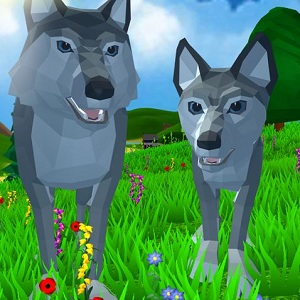
Fox Simulator and Wolf Simulator lean into this chase dynamic particularly well. The hunt is not just a single action but a sequence of decisions: move quietly, approach carefully, then commit. Tiger Simulator 3D follows a similar pattern, but with a heavier sense of direct power. Compared with the fox or wolf games, it tends to suggest a more forceful style of predation, where speed and impact matter as much as patience.
Simulation Changes the Meaning of Hunting
Several games in this tag are not hunting games in the traditional archery-or-shotgun sense; they are simulation games where the player inhabits an animal. That changes the tone of the activity. In Dog Simulator 3D and Panda Simulator 3D, hunting can become part of a broader survival loop, surrounding movement, exploration, and interaction with the environment. The act of hunting is no longer isolated from the rest of play.
This approach makes the tag attractive to players who want more than a simple target gallery. The animal simulators add roaming and role-based behavior, which gives hunting a context. A hunt becomes one part of a larger routine, and that routine can include searching, escaping, or exploring the landscape. Even Horse Simulator 3D, while less obviously predatory, fits the tag by emphasizing life in the wild and the survival pressures that shape an animal’s movement.
Timing Matters More Than Force
Across the tag, hunting is rarely just about raw speed. Success usually depends on reading motion and acting at the right time. Duck Hunt asks for quick corrections and sharp attention. The simulator games ask for a different kind of precision: knowing when to accelerate, when to stop, and when to approach without wasting an opening. That makes the skill set surprisingly varied.
Some games reward immediate reaction, while others reward patience and route selection. Wolf Simulator may feel built around pursuit, but pursuit still depends on control. Fox Simulator often suggests smaller, more cautious movements, while Tiger Simulator 3D gives the hunt a more aggressive rhythm. Together they show that the tag is not locked to one pace. It can support quick arcade responses and slower, more deliberate stalking systems.
Different Kinds of Players, Same Core Instinct
The games under Hunting appeal to different habits even when they share the same basic idea. Arcade-oriented players often gravitate toward Duck Hunt because it strips hunting down to timing and accuracy. Players who prefer open-ended movement usually find more to do in Wolf Simulator, Dog Simulator 3D, and Panda Simulator 3D, where hunting is one activity inside a larger simulated world.
That split helps explain why the tag works across such different setups. Some players want a direct test of aim. Others prefer the feeling of living inside a creature’s behavior pattern, with hunting folded into exploration and survival. Tiger Simulator 3D and Fox Simulator sit in the middle, combining pursuit-based action with the slower logic of animal movement. The collection stays unified because every game asks the same underlying question: where is the target, and when is the right moment to act?
Why the Tag Works Across So Many Formats
The strength of the Hunting tag is that it can describe both a classic shooting challenge and a broader animal-life simulation without feeling inconsistent. The games do not rely on the same interface or pace, but they all build tension through pursuit. That shared structure is what connects Duck Hunt to Fox Simulator, and what lets Horse Simulator 3D sit beside more obviously predatory titles like Wolf Simulator and Tiger Simulator 3D.
For browsing purposes, that means the tag offers a useful mix of styles. It includes short-session aim challenges, movement-driven chases, and survival-oriented animal play. The variety is wide, but the underlying loop stays recognizable: observe, close in, and finish the hunt.