Horror Games Built on Pressure, Panic, and Uncertainty
The horror tag on browser games covers a wide range of play styles, but the common thread is tension. Some games, like FNAF, FNAF 2, FNAF 3, and FNAF 4, turn fear into a management problem, forcing careful monitoring and timed decisions. Others, including Granny 2, Granny 3, Slendrina Must Die: The House, and Slenderman, lean into stealth, pursuit, and sudden danger. Then there are games such as Doom 3, Left 4 Dead, and Zombie Attack, where horror is tied to combat and survival under heavy pressure.
That variety matters because horror in browser games is not limited to one formula. Some entries focus on helplessness, some on armed resistance, and some on being trapped inside absurd or distorted situations, as seen in Trollface Quest Horror and Trollface: Quest Horror 2. Across the tag, the appeal often comes from managing fear rather than simply enduring it.
Watching, Listening, and Reacting Before It Is Too Late
The strongest pattern in this tag is information control. In FNAF and its sequels, the player is rarely moving freely through a space. Instead, the challenge comes from watching cameras, tracking movement, conserving resources, and deciding when to shut doors or change positions. The horror is systematic: every mistake has a cause, and every sound or visual cue might matter.
That same sensory pressure appears in Scary Maze, where the threat is not a complex enemy but the act of staying calm while navigating a trap-like structure. Happy Room uses a different tone, but it still reflects horror design through controlled experimentation and violent setup, where the player manipulates outcomes inside a confined system. These games show how horror can be built from awareness, delay, and the fear of missing a warning.
Hiding, Searching, and Escaping Tight Spaces
Games such as Granny 2, Granny 3, Slendrina Must Die: The House, and Krampus use enclosed environments to make every movement feel risky. The player is usually trying to find items, open routes, or survive long enough to escape, while danger remains close and unpredictable. Unlike action-heavy horror, the focus here is on route planning and quiet progress.
Jeff the Killer and Scary Teacher 3D also fit this pattern in different ways. Both use the idea of being watched, chased, or punished inside a familiar setting that becomes hostile. The result is a type of horror built around stealth and spatial awareness. Players who enjoy these games tend to like solving a problem while under constant threat, where even a short detour can change the entire attempt.
Zombie Games Favor Movement and Sustained Survival
The zombie side of the tag is more direct. Zombie Attack, Zombie Hunters, and Left 4 Dead place the player in active combat scenarios where danger comes in waves or groups. These games rely less on silence and more on staying mobile, aiming accurately, and making quick decisions when the screen fills with enemies. Horror here is expressed through pressure, not mystery.
Doom 3 sits between survival horror and shooter design, mixing dark environments with combat and close-range scares. Compared with the stealth-focused games in the tag, these titles ask players to face threats head-on, but the mood remains oppressive. Ammunition, positioning, and reaction time matter, yet the atmosphere still reinforces vulnerability. That combination explains why combat horror remains a major part of the tag.
Puzzle Horror Uses Humor, Logic, and Misdirection
Trollface Quest Horror and Trollface: Quest Horror 2 represent a different branch of the tag, where horror themes are filtered through puzzle comedy and misdirection. Instead of escaping monsters through direct survival, the player is expected to test unusual interactions, recognize joke logic, and accept that the obvious answer is often wrong. The fear factor is lighter, but the horror imagery still shapes the structure of the puzzles.
This approach broadens the tag for players who want the look and references of horror without the same level of sustained stress. It also shows that horror games do not need to be serious to use the genre’s language. In these titles, surprise and confusion do as much work as monsters or darkness.
Fear Works Best When Progress Feels Fragile
A recurring design pattern across the tag is fragile progress. In FNAF games, one badly timed action can undo several minutes of careful play. In Granny 2 and Granny 3, a single noise or wrong turn can expose the player. In Scary Maze, failure is almost built into the act of trying to stay composed. Horror games thrive on that imbalance, where advancement is possible but never secure.
That fragility is what gives the tag its range. Some games punish hesitation, others punish panic, and some punish curiosity. Slenderman and Scarred rely on uncertainty and pursuit, while Zombie Attack and Left 4 Dead turn survival into a repeated test of endurance. Even when the mechanics differ, the underlying structure remains the same: the player is always balancing control against the possibility of sudden collapse.
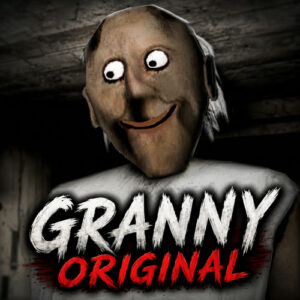 Granny Original
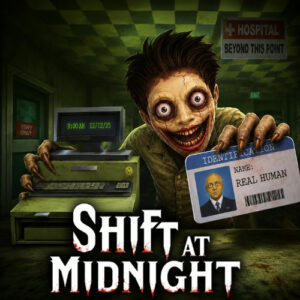 Shift At Midnight
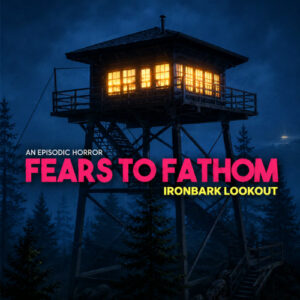 Fears to Fathom
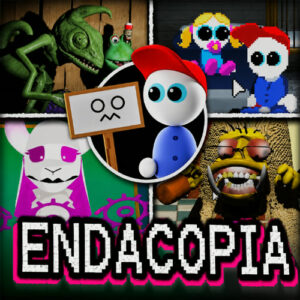 Endacopia
 Animal Hospital (Anomaly)
 Escape from Chunga Changa
 Horror Nun 2
 Backrooms: Escape Together
 The Baby in Yellow
 Cheat or Repeat
 Lab Havoc
 Idols Of Ash
 Red Face Horror
 The Amazing Digital Circus
 Poppy Playtime
 BLOODMONEY!
 Baldi’s Basics
 Five Nights at Trump’s
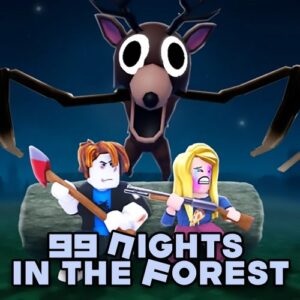 99 Nights in the Forest
 Backrooms
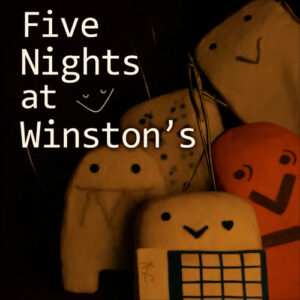 Five Nights at Winston’s
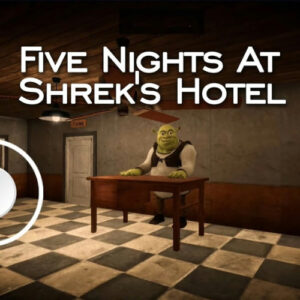 Five Nights At Shrek’s Hotel
 Hello Neighbor
 Sprunki
 Sorry Bob
 The Freak Circus
 Phasmophobia
 Haunted School
 That’s Not My Neighbor
 Five Nights at Freddy’s Sister Location
 Five Nights at Diddy’s
 Little Nightmares
 Five Nights at Epstein’s
 Granny Horror
 Undead Corridor
 Fun Clicker
 Poppy Playtime Chapter 5
 Horror Nun
 Ice Baby Quest
 Zombie Attack
 Granny 3
 Scary Teacher 3D
 Trollface: Quest Horror 2
![Fnaf 3 [Five Nights At Freddy’S 3]](https://hapagames.com/wp-content/uploads/2024/06/fnaf-3-unblocked-300x300.jpg) FNAF 3 [Five Nights at Freddy’s 3]
FNAF 3 [Five Nights at Freddy’s 3]
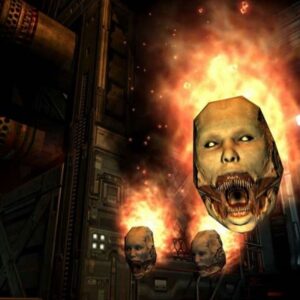 Doom 3
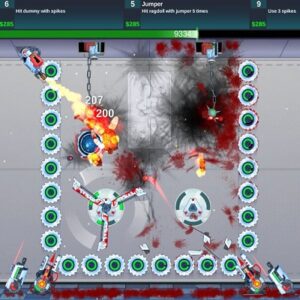 Happy Room
![Fnaf 4 [Five Nights At Freddy’S 4]](https://hapagames.com/wp-content/uploads/2024/06/fnaf-4-unblocked-300x300.jpg) FNAF 4 [Five Nights at Freddy’s 4]
FNAF 4 [Five Nights at Freddy’s 4]
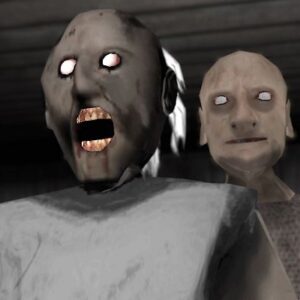 Granny 2
![Fnaf 2 [Five Nights At Freddy’s 2]](https://hapagames.com/wp-content/uploads/2024/06/fnaf-2-unblocked-300x300.jpg) FNAF 2 [Five Nights at Freddy’s 2]
FNAF 2 [Five Nights at Freddy’s 2]
 Scarred