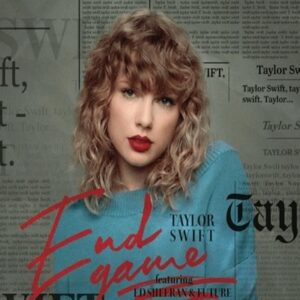
 TayHeardle


Heardle Games Turn Recognition Into the Main Skill
The Heardle tag centers on quick audio recognition, and the games in it make that format feel surprisingly varied. TayHeardle and Swiftle focus the challenge on a specific artist, so the task becomes less about broad music knowledge and more about knowing one performer’s catalog well enough to identify short clips almost instantly. Heardle 2000s widens the scope to a decade, shifting the test toward era familiarity, while Heardle Unlimited keeps the formula open-ended and repeatable. Together, they show how the Heardle structure can be adapted from niche fan knowledge to broader pop-music memory without changing the core loop.
Short Clips, Fast Guesses, and Careful Listening
Most Heardle games are built around the same pressure point: the clip is brief, incomplete, and often cut before the most recognizable part arrives. That means success depends on picking up small details early, such as vocal tone, production style, rhythmic patterns, or the opening notes of a track. In Heardle Unlimited, repeated play encourages a more systematic approach, because players learn to process those details quickly across many rounds. In Heardle 2000s, the challenge is slightly different; familiar sounds may still be hard to place if the player remembers the song but not the title immediately.
This is a format where certainty is rare at the start. A guess may come from a fragment rather than full recognition, and that makes each round feel like a process of narrowing possibilities instead of simply knowing the answer.
Artist-Focused Variants Reward Deep Catalog Knowledge
TayHeardle and Swiftle represent the most specialized side of the tag. Because both games revolve around Taylor Swift, they reward players who know album eras, single choices, and the distinct production shifts across her career. The appeal here is not just fandom, but memory organized by release order, instrumentation, and stylistic change. A player who can separate an early country-leaning track from a later pop song has a clear advantage.
These focused versions also change the rhythm of play. With a narrower song pool, the challenge moves from broad cultural recall to a more granular familiarity with one artist’s catalog. That gives the games a different tempo from general Heardle titles: each clip is a test of depth rather than range.
Era-Based Play Brings a Different Kind of Memory Test
Heardle 2000s shows another direction for the tag: instead of centering one artist, it organizes songs by a specific decade. That creates a broader, more mixed listening pool where players rely on memory of radio hits, chart singles, and the general sound of the period. The skill set shifts again. Rather than recalling an artist’s discography, players are identifying whether a song belongs to the 2000s and which exact track it might be.
This kind of version tends to attract people who remember songs by context. A chorus structure, a production trend, or even a vocal style associated with the decade can be enough to trigger a guess. The game becomes a catalog of cultural memory as much as a music quiz.
Progression Comes From Pattern Recognition, Not Unlocks
Heardle games rarely depend on long-term upgrades or character progression. Improvement is more subtle and more personal. Players get better by learning how songs are arranged, which intros are distinctive, and which clues matter most in the first few seconds. Over time, this creates a noticeable shift in strategy. Early guesses may be broad and uncertain, while later attempts become more targeted, using partial knowledge to arrive at a title faster.
Heardle Unlimited is especially useful for this kind of practice because the format can be repeated without waiting for a daily challenge. That repetition makes the collection feel less like a one-off puzzle and more like a listening exercise. The same principle applies across the tag: the games train memory through repeated exposure, not through reward trees or progression menus.
Why the Format Works Across Different Audiences
The strength of the Heardle tag is its flexibility. Dedicated music fans may gravitate toward TayHeardle or Swiftle because those games reward specialist knowledge. Broader pop listeners may prefer Heardle 2000s, where familiarity with a whole era matters more than knowing every release. Players who want endless rounds can stay with Heardle Unlimited, which removes the pressure of a single daily puzzle and keeps the format open for repeated play.
Across all of them, the basic appeal remains the same: identify a song as early as possible, trust your ear, and refine your guesses under pressure. The tag works because it turns listening into a skill that can be measured in seconds rather than minutes.