Food Games Turn Simple Orders Into Busy-Shift Management
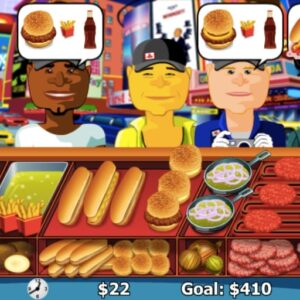
The Food tag brings together games that treat cooking as a system of timing, sorting, and customer handling rather than a relaxed recipe simulator. In Papa’s Bakeria, Papa’s Pancakeria, and Papa’s Burgeria, the core loop is built around preparing items in the right sequence while keeping service moving. Hot Dog Bush and Penguin Diner push that idea into faster customer flow, where speed and memory matter as much as the menu itself. Even when the presentation changes, the shared structure is clear: take an order, build the food correctly, and keep the line under control.
That structure is why Food games appeal to different kinds of players at once. Some are drawn to the planning side, where each station has its own rhythm and the challenge is staying organized. Others want a lighter routine, which is where games like Bubble Tea Maker, Yummy Cupcake, and Cat Coffee Shop fit in. These titles focus more on assembling appealing items and following recognizable steps than on high-pressure multitasking, but they still reward accuracy and attention to detail.
Order Flow Shapes the Whole Experience
Across the tag, the most important skill is not cooking itself but managing the flow between preparation, assembly, and delivery. Sushi Go Round, Papa’s Sushiria, and Papa’s Taco Mia all ask players to keep track of multiple customers and prepare food in layers, which creates a constant trade-off between speed and precision. The more moving parts a game has, the more important it becomes to remember requests and avoid mistakes that slow the line down.
This is also where the Food tag starts to split into different pacing styles. Burger Time and Papa’s Hot Doggeria lean toward brisk, repeatable service tasks, while Papas Pizzeria and Papas Cheeseria add more steps that make each order feel more deliberate. The basic idea stays consistent, but the number of stations changes how players approach each shift. Some games favor quick reactions; others reward steady attention over raw pace.
Cooking as Progression, Not Just Preparation
Several games in the tag use food-making as a path to gradual improvement. In the Papa’s series, progress usually comes from handling more customers more efficiently and learning the rhythm of each station. A game like Papa’s Bakeria or Papa’s Cheeseria becomes less about discovering what to do and more about doing it cleanly under pressure. That sense of improvement gives the genre a strong routine-based appeal: the same tasks feel different once the player has mastered the system.
Cooking Mama fits this pattern in a different way. It presents cooking as a sequence of smaller actions, so progression comes from accuracy and consistency rather than restaurant management. Meanwhile, Leek Factory Tycoon pushes the food theme into production and automation, showing that Food games are not limited to cafes and counters. Some revolve around handcrafted meals; others are more about scaling output and managing a food pipeline.
Menu Variety Creates Different Kinds of Pressure
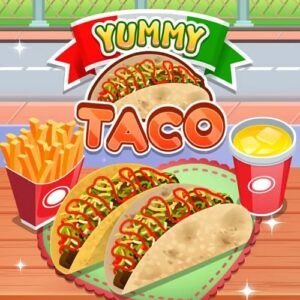
The tag includes a wide spread of food types, and that variety affects gameplay as much as setting. Yummy Taco, Papa’s Taco Mia, and Papa’s Burgeria emphasize assembly from ingredients, where order and portioning matter. Papa’s Pancakeria and Yummy Cupcake rely more on stacking, topping, and presentation. Papa’s Sushiria and Sushi Go Round make the player manage layered preparation with a stronger focus on exact combinations.
Because the menu defines the rhythm, different Food games end up training different habits. Cupcake and dessert games tend to ask for neat placement and visual balance, while diner and fast-food games push repetition and efficiency. That range is part of the tag’s appeal: the underlying loop is familiar, but each menu changes the kind of pressure the player feels.
Customer Service and Time Management Stay at the Center
Many of these games are really service games in disguise. Penguin Diner and Hot Dog Bush depend on moving customers through a queue without letting patience collapse. The same idea appears in the Papa’s titles, where score often depends on how well each order matches expectations and how quickly it is completed. Food becomes the subject, but the real challenge is managing demand.
This is why the tag works so well for players who enjoy efficiency puzzles. A game like Papa’s Hot Doggeria creates stress through overlapping tasks, while Cat Coffee Shop uses a softer atmosphere to present similar decision-making in a more relaxed form. The tone may change, but the underlying structure remains familiar: every action has to fit into a busy schedule.
From Quick Fun to Long-Term Mastery
Food games often look approachable at first, but the better examples reveal depth through repetition. Pou and Cooking Mama are easier to enter because their actions are clear and immediate, yet they still encourage care and consistency. More demanding games such as Papa’s Bakeria, Papas Pizzeria, and Papa’s Sushiria build complexity gradually, adding more steps, more customers, and more opportunities to lose time.
That range helps explain why the Food tag covers so many styles without feeling scattered. Some games are built for fast sessions, some for relaxed preparation, and some for longer stretches of mastery. What connects Bubble Tea Maker, Leek Factory Tycoon, Yummy Cupcake, and Sushi Go Round is the same central appeal: food serves as a clear, readable framework for organizing tasks, improving performance, and keeping a busy system under control.
 Sausage Flip
 Food Truck: Cooking Games
 Meme Mukbang: ASMR Game
 Birdie Bop
 Wurst Dash
 Sausage Battle
 Garfield War
 Pizza Clicker Online
 Papa’s Donuteria
 Papa’s Wingeria
 Papa’s Cupcakeria
 Penguin Diner 2
 Papa’s Scooperia
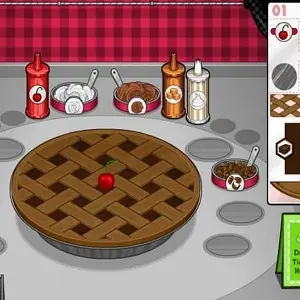 Papa’s Bakeria
 Hot Dog Bush
 Cat Coffee Shop
 Bubble Tea Maker
 Yummy Cupcake
 Papa’s Sushiria
 Papa’s Pancakeria
 Yummy Taco
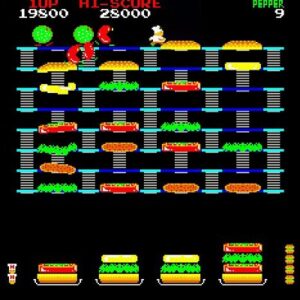 Burger Time
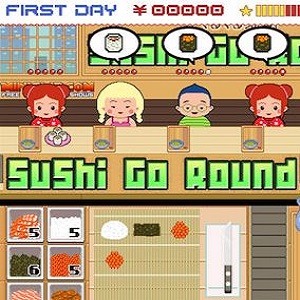 Sushi Go Round
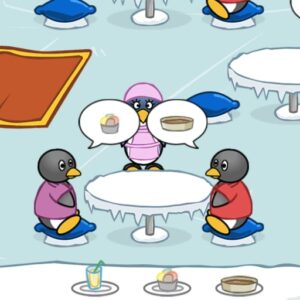 Penguin Diner
 2048 Cupcakes
 Papas Cheeseria
 Pou
Pou
 Papa’s Hot Doggeria
 Papa’s Burgeria
 Papas Pizzeria
 Leek Factory Tycoon
 Cooking Mama
 Papa’s Cheeseria
 Papa’s Taco Mia
 McDonald’s Videogame
 Papa’s Freezeria