Cute Games Built Around Charm, Collecting, and Odd Little Surprises
The cute tag covers a wide range of browser games, but the common thread is easy to spot in this group: approachable presentation, playful characters, and a focus on collecting, decorating, or causing light chaos rather than heavy competition. Adopt Me, Anime Kawaii Dress Up, and Yummy Cupcake lean into styling and care, while Merge Dragons and Doge Miner 2 turn the same appeal into progression loops built around gathering and growth. Even when the tone gets stranger, as in Elastic Man or Cat Mario, the games still rely on exaggerated, toy-like visuals that keep the mood light.
That variety matters because cute games are not limited to calm dress-up screens. Some are about nurturing, some about idle accumulation, and others use adorable characters as a contrast for surprisingly unruly mechanics. Rio Rex and Dragon Simulator 3D use oversized creatures as playful power fantasies, while Ducklings.io and Find Cat stay close to gentler goals tied to rescue, movement, and attention to small details.
Collection Loops Give Cute Games Their Shape
A large part of the tag depends on repeated gathering and steady growth. Idle Miner, Doge Miner, and Doge Miner 2 all frame progress as a satisfying climb from simple actions into larger systems, where players keep feeding resources into a loop that expands over time. Merge Dragons uses a similar appetite for accumulation, but it adds organization and combination: the pleasure comes from turning clutter into stronger or more useful objects.
Miner Cat 4 and Nugget Royale show that cute themes can also support risk-based collecting. One game may center on extraction and upgrades, while another turns the same instinct toward frantic survival. The common design idea is that cute visuals soften the pressure, making repeated actions feel approachable even when the underlying systems become demanding.
Animals, Creatures, and Character Appeal
Many games in the tag use animals or friendly fantasy creatures as the main draw. Ducklings.io, Find Cat, and Miner Cat 4 all rely on familiar animal figures to create immediate recognition, while Taming.io builds its identity around creatures that can be gathered and controlled. Dragon Simulator 3D and Merge Dragons take the same attraction in a different direction, using mythical beasts to give the game world a colorful sense of scale.
This character focus does more than decorate the screen. It makes the objectives feel readable at a glance. A duckling line, a cat search, or a dragon collection is easy to understand before the first move is made. That clarity is a major reason cute games often work well for short sessions and for players who prefer systems that explain themselves quickly.
When Cute Games Hide Unexpected Challenge
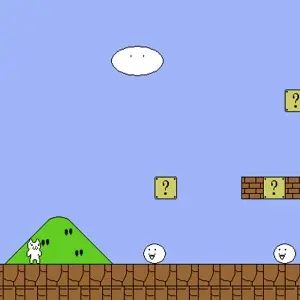
The tag is not limited to gentle pacing. Cat Mario is the clearest example of a cute game built around sharp surprises, where the presentation suggests something harmless but the design asks for patience and careful reaction. Charger Escape and Rio Rex also show that cute or cartoonish styling can support higher-pressure play, especially when movement, timing, or collision matters more than atmosphere.
Robot Unicorn Attack adds another layer to this pattern. Its bright, cheerful look is tied to quick reflexes and repeated attempts, which gives the game a very different rhythm from dress-up or idle titles. The contrast is part of the appeal: cute graphics lower the barrier, but the mechanics can still test precision, memory, and adaptation.
Customization and Dress-Up Stay Important
Games like Anime Kawaii Dress Up, Adopt Me, and Yummy Cupcake highlight the expressive side of the cute tag. Instead of chasing scores or combat outcomes, the player spends time arranging appearances, choosing details, or shaping a playful scene. That design creates a more personal kind of progress, where the result is visible in style rather than in statistics.
What connects these games is the satisfaction of small decisions. Color choices, outfit combinations, and presentation all matter more than speed. For many players, that makes the tag feel welcoming. The challenge comes from taste, placement, and variation rather than mastery of complex controls.
Light Competition, Shared Space, and Fast Sessions
Not every cute game is quiet. Narwhale.io, Ducklings.io, and Taming.io bring in shared-space competition, where movement and positioning are more important than brute force alone. In these games, cute characters move through arenas or open maps with clear goals, and the appeal comes from surviving long enough to grow stronger or outmaneuver others.
Nugget Royale fits the same pattern from a different angle, turning a playful setting into a scramble for survival. These games show that the cute tag often works best when the rules are easy to read but the outcomes stay unstable. That combination supports short bursts of play, quick restarts, and repeated attempts to improve.
Small Actions, Constant Feedback
A final pattern across the tag is how often these games reward simple interaction. Elastic Man turns direct manipulation into the entire experience, while Find Cat and Chat Noir rely on observation and small discoveries. Even when the pace is slower, the games keep feeding back tiny reactions, animations, and changes that make every input feel visible.
That responsiveness is a big reason cute games have such broad appeal. They do not need complicated systems to hold attention. A stretching face, a hidden cat, a growing pile of resources, or a line of ducklings is enough to create momentum. The tag works because it combines approachable presentation with mechanics that stay readable, tactile, and easy to return to.
 Oh My Goth
 Anime Kawaii Dress Up
 Food Truck: Cooking Games
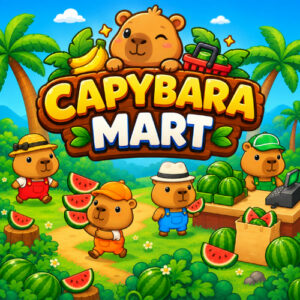 Capybara Mart
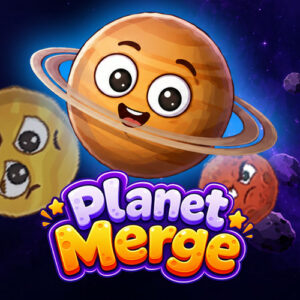 Planet Merge
 Brush Jjaemu
 Escape Animals
 Zombies and Luig
 BLOODMONEY!
 Trap The Cat
 Sprunki
 Undertale
 Chill Guy Clicker
 PokéPath TD
 Narwhale.io
 Rio Rex
 Doge Miner 2
 Dragon Simulator 3D
 Miner Cat 4
 Merge Dragons
 Ducklings.io
 Yummy Cupcake
 Chat Noir
 Adopt Me
 Highschool Mean Girls 2
 Charger Escape
 Idle Miner
 Taming.io
 Elastic Man
 3 Pandas
 Doge Miner
 Nugget Royale
 Find Cat
 Robot Unicorn Attack
 Cat Mario
 Circle the Cat
 Pou
Pou
 Dog Simulator 3D
 Snail Bob
 Cat Simulator
 Candy Riddles
 Creatur.io
 Kitten Cannon
 Kitty Cats
 Star Stable
 StrikeForce Kitty
 Super Auto Pets