Cooking Games Turn Order and Timing Into the Main Skill
The cooking tag brings together games that are less about realistic recipes and more about handling a steady flow of tasks without losing control. Titles like Papa’s Bakeria, Papa’s Pancakeria, Papa’s Burgeria, and Papas Pizzeria all build around station-based work, where each step depends on doing the previous one cleanly. The appeal comes from rhythm: taking orders, assembling ingredients, watching timers, and keeping multiple customers moving through the process.
Some games in the tag lean toward restaurant management, while others focus on one repetitive but satisfying loop. Penguin Diner and Hot Dog Bush emphasize serving people quickly under pressure, while Cooking Mama breaks cooking into short, guided micro-tasks. On the other end, Cookie Clicker and Cookie Clicker 2 shift the idea of cooking into incremental production, turning baking into a progression system built on accumulation rather than manual preparation.
Station-Based Service Games Define the Tag
The strongest throughline in the cooking tag is the station structure used across many Papa’s titles. Papa’s Sushiria, Papa’s Hot Doggeria, Papas Cheeseria, Papa’s Taco Mia, and Papa’s Freezeria all split the work into distinct phases, and each phase asks for a different kind of attention. One moment is about precision, another about speed, and another about remembering the correct order of ingredients.
This design makes the genre feel organized rather than chaotic, even when the screen is full of activity. The challenge is not raw reaction time alone. It is the ability to maintain consistency across repeated tasks while the queue keeps growing. Games like Yummy Taco and Yummy Cupcake follow the same logic in a lighter form, using assembly and decoration to create a sense of craft without overwhelming the player with too many systems at once.
Progression Often Comes From Better Efficiency, Not Bigger Power
Cooking games rarely rely on combat-style upgrades. Instead, progress usually means becoming more efficient, learning patterns, and reducing mistakes. In Papa’s Bakeria or Papa’s Cheeseria, improvement is visible in cleaner execution and faster service. In Cookie Clicker and Cookie Clicker 2, the progression is even more explicit: the game turns repetition into expansion, with each upgrade multiplying output and making the next stage feel structurally different from the last.
That distinction matters because the tag includes both hands-on skill games and idle-style builders. Some players want the satisfaction of mastering a process through practice, while others prefer watching a system grow over time. Both approaches use cooking as a theme, but they reward different habits. One values precision and memory; the other values planning and reinvestment.
Customer Flow Creates the Tension
Restaurant-focused cooking games thrive on pressure from incoming orders. Penguin Diner, Hot Dog Bush, and the Papa’s series all depend on managing a queue, which means attention is always split between the current task and the next one. This creates a distinct kind of challenge where hesitation carries a cost. A delayed order can affect the whole line, especially when multiple customers need different combinations of ingredients or preparation steps.
The tension is strongest when the game gives players enough control to improve, but not enough time to stop thinking. That balance explains why cooking games remain popular across casual and time-management audiences. The work is simple to understand, yet difficult to keep perfectly organized when the pace increases.
Assembly, Decoration, and Presentation Matter as Much as Preparation
Not every cooking game is about making food from scratch in a realistic way. A large part of the tag is built around presentation. Yummy Cupcake and Papa’s Bakeria treat decoration as a core activity, while Papas Cheeseria and Papa’s Freezeria use topping placement and visual arrangement as part of the scoring logic. The finished product is judged as much by appearance and order as by ingredients alone.
That design gives the tag a creative edge. Some games encourage neatness and symmetry; others reward familiarity with customer preferences. Even when the mechanics are simple, the act of building a dish step by step gives each order a clear beginning, middle, and end. The player is not just clicking through a menu. They are assembling a result that reflects both speed and care.
Different Games Push Cooking Toward Different Audiences
The tag works because it covers several kinds of play without losing its identity. Cooking Mama is built around approachable mini-games and immediate feedback. Hot Dog Bush and Penguin Diner appeal to players who enjoy fast service and visible pressure. Papa’s Pancakeria, Papa’s Taco Mia, and Papas Pizzeria support longer play sessions through layered routines and score chasing. Cookie Clicker and Cookie Clicker 2 offer a slower, more incremental loop for players who prefer watching a system scale up over time.
That range is what gives cooking games their staying power. Some versions are about multitasking, some about creativity, and some about long-term growth, but all of them turn food into a readable gameplay system. The common thread is control over process: learning the steps, managing the pace, and improving the result through repeated practice.
 Food Truck: Cooking Games
 Pizza Clicker Online
 Papa’s Donuteria
 Papa’s Wingeria
 Papa’s Cupcakeria
 Penguin Diner 2
 Papa’s Scooperia
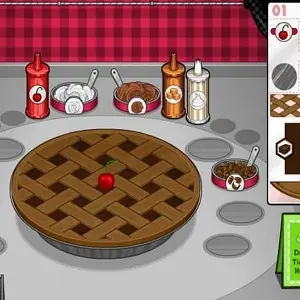 Papa’s Bakeria
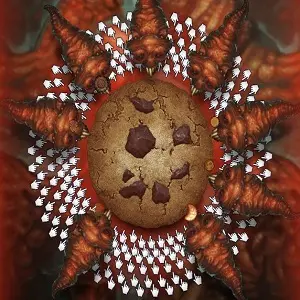 Cookie Clicker
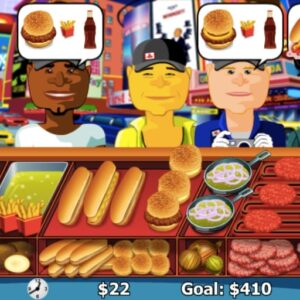 Hot Dog Bush
 Yummy Cupcake
 Cookie Clicker 2
 Papa’s Sushiria
 Papa’s Pancakeria
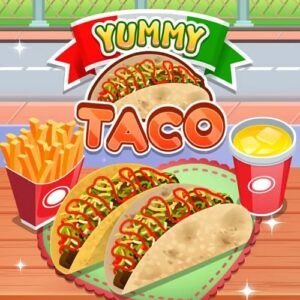 Yummy Taco
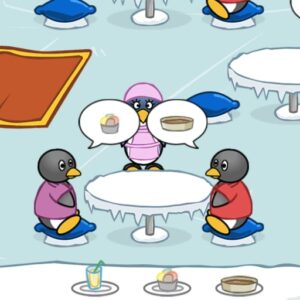 Penguin Diner
 Papas Cheeseria
 Papa’s Hot Doggeria
 Papa’s Burgeria
 Papas Pizzeria
 Cooking Mama
 Papa’s Cheeseria
 Papa’s Taco Mia
 Papa’s Freezeria