 3D Chess

Chess Play Built Around Reading the Board
Chess games on browser pages usually strip away the physical board and focus attention on decision-making, timing, and position. Across 3D Chess, SparkChess, 2 Player Chess, Chess Online, and Master Chess, the core appeal stays consistent: every move changes the shape of the game, and small positional gains can matter more than immediate material. That makes this tag less about speed and more about discipline, planning, and the ability to interpret consequences several turns ahead.
The most recognizable pattern in these games is their emphasis on turn-by-turn structure. There is no blur of action to hide mistakes. Instead, the board becomes a tactical space where forks, pins, trade decisions, and king safety define the pace. Even when the presentation differs, as in 3D Chess or the cleaner digital layouts of Chess Online, the player’s attention is always directed toward board control and long-term pressure.
One Game, Several Ways to Practice It
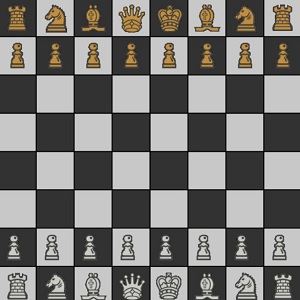
This tag brings together versions that serve different habits and skill levels. 2 Player Chess naturally supports local head-to-head play, which keeps the focus on direct rivalry and shared-screen strategy. Chess Online and Master Chess suggest a more networked or structured competitive environment, where the challenge comes from facing human opponents outside the room. SparkChess fits a different need: a place to study the game at a steadier pace, especially for players who want an organized way to sharpen fundamentals.
That spread matters because chess audiences are rarely looking for the same thing. Some want a simple board and a reliable match format. Others want practice against opponents who will punish weak openings or careless endgames. The tag works because it supports both casual, low-friction play and more serious, repeatable matchups.
Positioning Matters More Than Direct Conflict
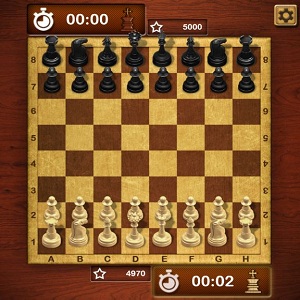
Chess is one of the clearest examples of combat expressed through structure rather than spectacle. In these browser titles, success usually comes from creating threats before they become obvious, limiting the opponent’s options, and building toward positions that are difficult to defend. That is why a game like Master Chess can feel very different from a fast-lane action title even though the board state changes only one move at a time.
The collection also highlights how chess rewards restraint. Captures are not always the right choice, and advancing pieces without a plan can weaken a position. SparkChess and Chess Online both fit into that mindset: they encourage players to think in terms of structure, not just immediate gains. The best turns often improve piece activity, protect weak squares, or set up future tactics rather than forcing quick exchanges.
Local Matches and Online Opponents Create Different Rhythms
There is a meaningful difference between sitting down for a 2 Player Chess match and entering an online game in Chess Online or Master Chess. Local play tends to feel more immediate and social, with a shared pace that can make experimentation easier. Online play introduces anonymity and repetition, which often raises the pressure on accuracy because there is always another opponent ready to expose the same mistake.
That difference shapes how players approach the tag. Local games are often used for quick head-to-head contests or learning basic piece movement. Online matches appeal more to those who want a broader range of challenges and a cleaner test of consistency. The chess format supports both because the rules stay stable while the opponent pool changes the texture of each match.
Visual Presentation Changes the Feel Without Changing the Rules
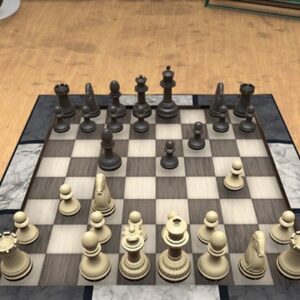
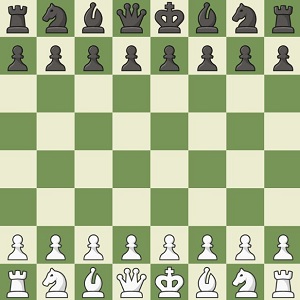
3D Chess shows one of the more noticeable variations in the tag: presentation can change perception even when the rules remain the same. A three-dimensional board can make the game feel more tactile and spatial, which may help some players track the board as a physical object rather than a flat grid. By contrast, more traditional layouts emphasize clarity, a quality that matters when reading lines of attack, identifying defended pieces, and counting exchanges.
This is a useful contrast within chess browser games. The rules are fixed, but the interface can either support calm calculation or add a layer of visual presence. For some players, that is enough to make one version preferable over another, especially when they are choosing between comfort, readability, and atmosphere.
Why the Chess Tag Keeps Working for Different Players
Chess browser games attract a wide range of players because the format supports both short sessions and serious study. A newcomer can learn the flow of pieces in SparkChess or take a direct challenge in 2 Player Chess. More experienced players can use Chess Online and Master Chess to keep testing openings, tactical awareness, and endgame technique against live opposition.
The enduring strength of the tag comes from that balance between simplicity and depth. Every game in the collection starts from the same familiar board, yet the demands quickly shift toward calculation, patience, and pattern recognition. That combination gives chess games a clear identity on browser platforms: they are compact to load, but not compact in thought.