Cartoon Games and the Appeal of Exaggerated Play
The cartoon tag brings together games that lean on bold shapes, expressive animation, and mechanics that are easy to read at a glance. In Crazy Flasher 3 and Whack Your Boss, the visual style supports over-the-top action and slapstick timing, while Happy Glass and Gold Miner use clean, simple presentation to keep the focus on a single clear objective. Even when the genres vary widely, the common thread is accessibility through visual clarity and a strong sense of personality.
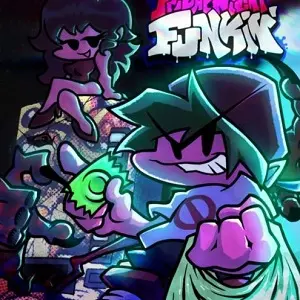
That mix matters because cartoon-style games often rely on immediate recognition. A player can tell what matters on screen without studying complex interfaces. Friday Night Funkin uses character-driven animation and rhythmic cues to make timing readable, while Cuphead turns hand-drawn visual design into a demanding action framework. The style is not limited to light or casual play; it also supports games that ask for precision, memory, and repetition.
Action, Timing, and Slapstick Feedback
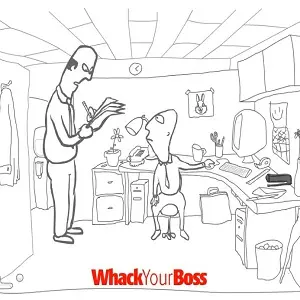
Some of the strongest examples in this tag are built around fast reactions and visible consequences. Crazy Flasher 3 and Stickman Escape School both depend on movement, risk, and quick decision-making, but they do it with cartoon exaggeration that makes failure and success easy to follow. Whack Your Boss also belongs in this group, using cartoon violence as a form of comedic feedback rather than realism.
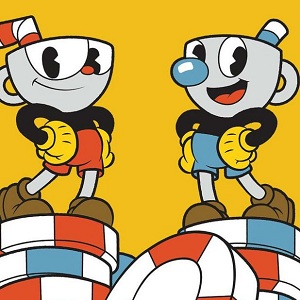
That style of play tends to reward experimentation. The rules are often simple, but the outcomes change quickly once the player starts pushing them. In Cuphead, the cartoon look masks a far stricter challenge structure, where patterns, dodging, and attack timing matter more than improvisation. The contrast between a game like Happy Glass and one like Cuphead shows how flexible the cartoon tag can be: one centers on problem solving, the other on repeated combat mastery.
Puzzles Built for Clear Reading
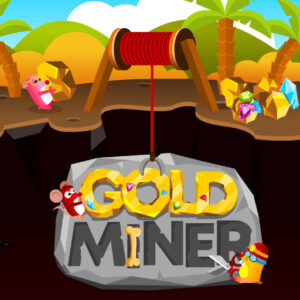
Several games in the tag use cartoon presentation to make problem solving feel direct and legible. Happy Glass is the clearest example, where the entire game is shaped around a single physics puzzle concept. The same is true in a different way for Gold Miner, which turns timing and positioning into a simple collection challenge. These games benefit from a style that removes clutter and keeps the player’s attention on one action at a time.
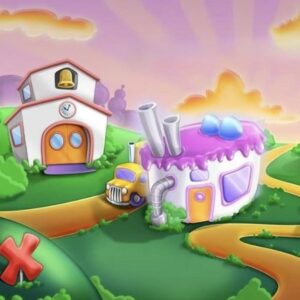
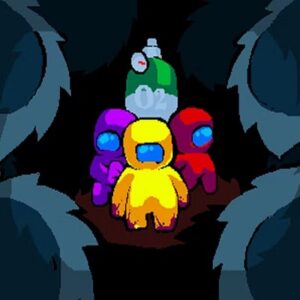
Purble Place also fits this pattern, though it does so through a broader set of mini-game structures. Its appeal comes from quick rule recognition and repeated practice rather than long-form complexity. Disc Us and Hansel and Gretel suggest another side of the tag, where cartoon visuals support storybook framing or social play without demanding heavy systems. The result is a group of games that remain approachable while still asking for accuracy, observation, or pattern recognition.
Character Style as Part of the Mechanics
Cartoon games often use character design as more than decoration. In Anime Couple Dress Up, style choice is the main activity, so the artwork and outfit selection become the gameplay itself. That stands apart from action-heavy titles, but it still belongs in the same tag because the visual tone is central to what players do. Likewise, Wild Kratts Amazin Amazon uses a recognizable animated setting to frame exploration and learning-oriented play, making the world feel friendly and readable.
This link between character style and mechanics also helps explain why the tag covers such different audiences. Some players want expressive customization, others want platforming or rhythm, and some want simple interactive toys. Cartoon presentation lets all of those sit side by side without feeling out of place. It gives games a shared language even when their goals are very different.
Why the Tag Covers So Many Difficulty Levels
One of the most interesting things about cartoon games is how often they bridge beginner-friendly design and high-skill execution. Gold Miner, Happy Glass, and Purble Place are straightforward to start, because the controls and goals are easy to understand. At the other end, Friday Night Funkin and Cuphead demand rhythm, memorization, and tight reaction windows. The cartoon style does not determine difficulty, but it does make very different challenges feel part of the same family.
That range is part of the tag’s identity. Players looking for short sessions, quick laughs, or simple puzzle loops will find them here, but so will players who want pattern-heavy action or repeated score chasing. The shared visual approach keeps the collection cohesive even as the mechanics move from dress-up to escape gameplay, from rhythm to boss fights, and from physics puzzles to comedic action.
 Mall Fury
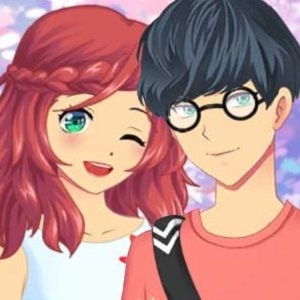 Anime Couple Dress Up
 Roblox Parkour Adventure
 Boys vs Girls
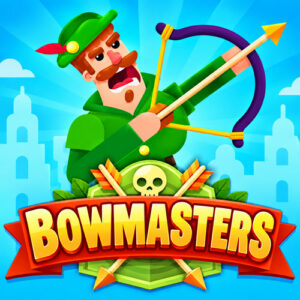 Bowmasters Archery Shooting
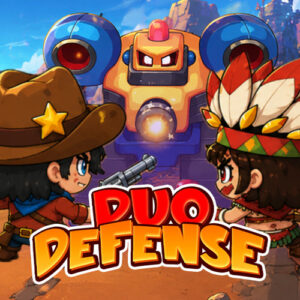 Duo Defense
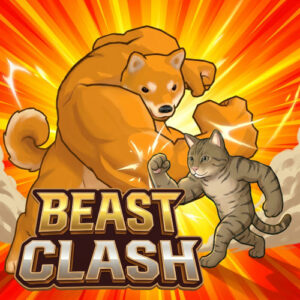 Beast Clash
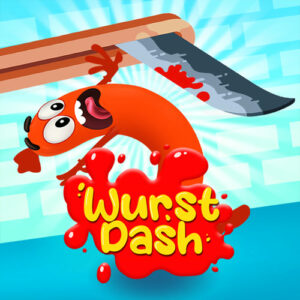 Wurst Dash
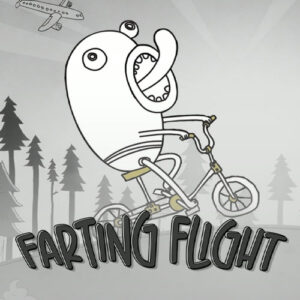 Farting Flight
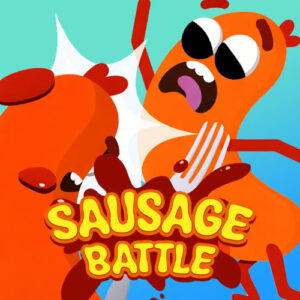 Sausage Battle
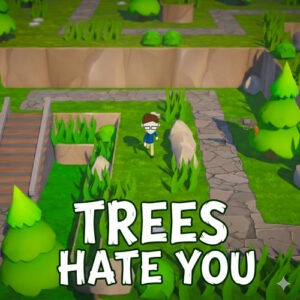 Trees Hate You
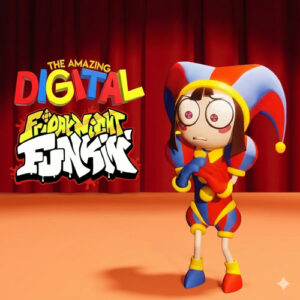 FNF: The Amazing Digital Funkin
 Garfield War
 The Amazing Digital Circus
 Goo Goo Gaga Clicker
 Swing Obby for Brainrots!
 Doodle Baseball
 Escape School Duel
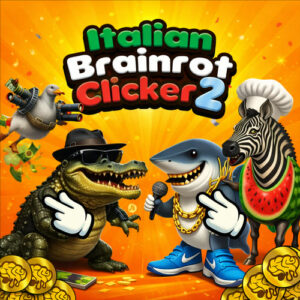 Italian Brainrot Clicker 2
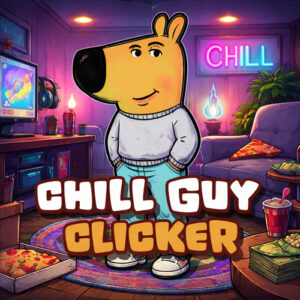 Chill Guy Clicker
 Slap Champions
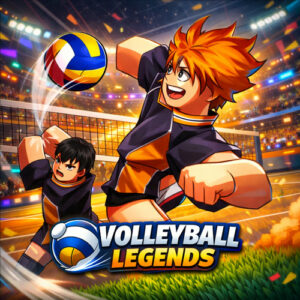 Volleyball Legends
 Ice Baby Quest
 Candy Clicker 2
 Whack Your Ex
 Wild Kratts Amazin Amazon
 Stickman Escape School
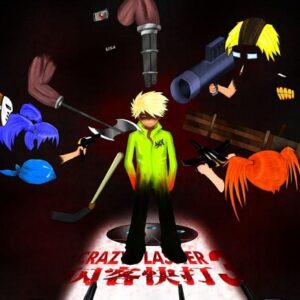 Crazy Flasher 3
 Trollface Quest Sports
 Hansel and Gretel
 Kill the Ice Age Baby Adventure
 Purble Place
 Disc Us
 Happy Glass
 Dumb Ways to Die
 Friday Night Funkin
 Gold Miner
 Douchebag Workout
 Whack Your Boss
 Cuphead
 I Love You Like a Fat Lady Loves Apples