 Bowmasters Archery Shooting





What Are Archery Games?
Archery games turn a simple weapon into a wide range of testable skills: aim, timing, distance judgment, and often a little nerve. Across the archery tag, the bow is rarely just a cosmetic choice. It shapes the whole structure of play, whether the game is built around precision target shots, duels against moving opponents, or larger combat encounters where arrows are one part of a broader tactical system.
The listed games show how flexible the idea can be. Archery World Tour and Bowman 2 lean heavily on controlled shots and angle calculation, while Apple Shooter pushes the same fundamentals into a tighter, riskier setup where accuracy matters more than volume. Other games, such as Bowmaster, Stickman Archery, and Narrow One, use the bow as a combat tool, asking players to aim under pressure rather than in isolation.
Trajectory, Distance, and the Logic of the Shot
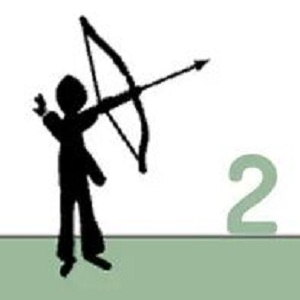
Most archery games are built around projectile physics, even when they simplify them. Players are constantly reading arc, force, and position. That makes archery different from point-and-click accuracy tests: the shot has to be planned before it lands. In Archery World Tour, the appeal comes from repeated adjustments to angle and power, with each target demanding a cleaner read than the last. Bowman 2 works in a similar space, using turn-based spacing and direct duels to make every release feel deliberate.
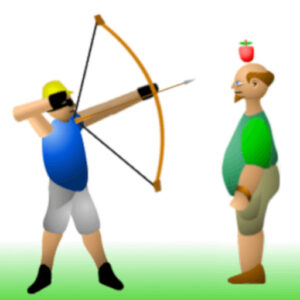
Apple Shooter narrows the margin for error further. The challenge is not just hitting a target, but doing so with enough restraint to avoid failure. That creates a distinct kind of tension, one that also appears in more exaggerated form in Warlords 2 (Rise of Demons), where archery sits inside a larger fantasy combat structure and shots still need to be judged carefully against enemies and battlefield conditions.
From Target Practice to Combat Pressure
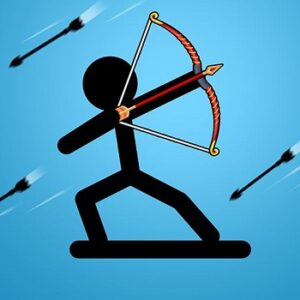
The tag splits cleanly between practice-style games and combat-driven games. Archery World Tour and Bowman 2 focus on clean mechanics and readable feedback, which makes them strong for players who want to improve shot consistency. Stickman Archery and Bowmaster add enemy behavior, reaction time, and competitive pressure. The bow is no longer just about finding the correct arc; it becomes a response to movement, positioning, and the need to survive longer than an opponent.
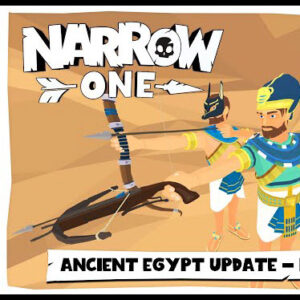
Narrow One takes that further by placing archery into multiplayer-style conflict, where mobility and spatial awareness matter as much as aim. The player is not simply lining up a shot, but making decisions about location, timing, and exposure. That gives the tag a broad range of pace: some games reward patience, while others demand rapid adjustments in hectic spaces.
How Different Games Handle the Same Skill
Comparing these games shows how one mechanic can support very different rhythms. Apple Shooter is about restraint and exactness. Bowman 2 turns archery into a measured contest where distance and turn order define the duel. Archery World Tour emphasizes repetition and calibration, making improvement visible through cleaner execution. Bowmaster and Stickman Archery, by contrast, make archery feel more reactive, since enemies and combat conditions change the shot selection.
Narrow One stands out because it folds archery into a broader multiplayer environment rather than isolating it as a specialist challenge. Meanwhile, Warlords 2 (Rise of Demons) uses archery as part of a fantasy war setting, where the bow fits into a larger offensive toolkit instead of defining the whole game. The shared mechanic remains the same, but the surrounding structure changes how players think about every arrow.
Skill Growth, Mastery, and Replay Value
Archery games are naturally suited to improvement because their systems are easy to understand but hard to perfect. Players quickly learn the basics of aim and power, then spend the rest of the time refining consistency. That progression is especially clear in Archery World Tour and Bowman 2, where repeated attempts teach distance reading and shot correction. In Apple Shooter, mastery means learning control under pressure. In Narrow One, it means combining aim with movement and awareness.
- Precision is the central reward in target-focused games.
- Timing matters more once enemies or moving targets enter the frame.
- Positioning becomes essential in multiplayer or combat-heavy designs.
- Consistency separates casual attempts from skilled play across the whole tag.
Fantasy Frames and Visual Identity
Although the core mechanic is practical, the presentation varies widely. Warlords 2 (Rise of Demons) places archery inside a darker fantasy battlefield, while Stickman Archery and Bowman 2 rely on simpler character design that keeps attention on shot placement. Bowmaster and Apple Shooter use stylized setups that make the act of firing feel central and readable. Even when the visuals differ, these games share a clean focus: the player must always be able to judge angle, distance, and consequence at a glance.
That clarity is part of why archery works so well as a browser-game tag. The bow creates immediate rules for the player to learn, but the games keep finding new ways to make those rules matter, whether through target ranges, duels, fantasy combat, or multiplayer competition.