 Super Smash Flash

What Anime Games Cover Across Action, Style, and Fan Play
The anime tag on browser games spans a wider range than strict genre labels usually allow. Some games borrow the look and rhythm of anime series, while others use anime as a source of combat systems, character customization, or simple fan-facing interaction. That is why a list like Genshin Impact, Dragon Ball Z Supersonic Warriors, Super Smash Flash, and Anime Kawaii Dress Up can sit under the same tag without feeling random. The shared thread is less about one specific mechanic and more about presentation, character identity, and the appeal of recognizable anime-style expression.
In practice, anime games often fall into a few clear groups: action games built around timing and combo execution, clicker or rhythm-based games that reward repetition and pace, and dress-up or customization games focused on styling characters rather than defeating enemies. That range gives the tag a very broad player base. Some players want mechanical pressure; others want familiar characters and aesthetic control. Browser games under the anime label frequently deliver one without demanding the other.
Combat-Driven Anime Games Reward Timing and Pattern Recognition
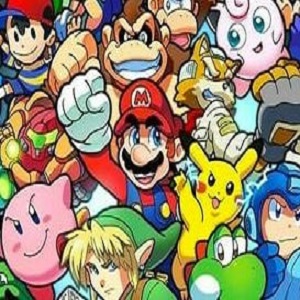
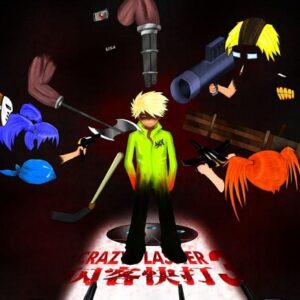
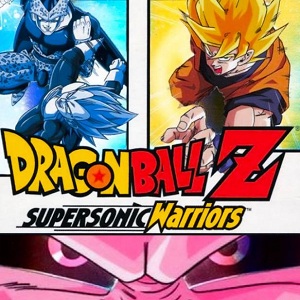
The action side of the tag is represented strongly by Dragon Ball Z Supersonic Warriors, Crazy Flasher 3, Super Smash Flash, and even Genshin Impact in its more battle-oriented structure. These games all ask players to read movement, manage spacing, and react quickly, but they do so in different ways. Super Smash Flash emphasizes platform-fighter positioning, edge control, and knockback reads. Dragon Ball Z Supersonic Warriors leans into direct anime combat with fast exchanges and character-specific special attacks. Crazy Flasher 3 keeps the focus on side-scrolling brawling, where momentum and crowd handling matter as much as raw damage.
What connects these games is that success comes from pattern recognition, not just button mashing. Players learn when to commit, when to retreat, and how to exploit openings. In anime combat games, spectacle often hides a fairly strict underlying logic: special moves have recovery windows, aerial attacks create different priorities, and defensive habits matter more as the pace rises. This makes them approachable at first but increasingly technical as opponents become more demanding.
Rhythm, Repetition, and Simple Mastery Loops
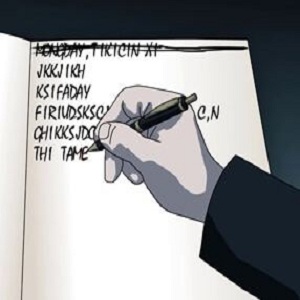
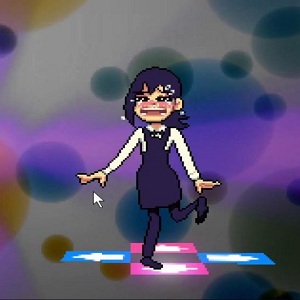
Not every anime-tagged game relies on freeform combat. Chainsaw Dance and Death Note Type point to a different pattern: compact interaction loops built around timing, accuracy, or input discipline. These games narrow the player’s job to a repeatable action set, then increase difficulty by tightening the margin for error. That structure is common in browser games because it creates a clear improvement curve without requiring long tutorials or complex systems.
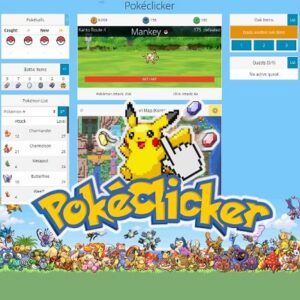
Pokemon Clicker takes that loop even further by turning progression into accumulation. Instead of fighting through direct action, the player measures progress through incremental gains and repeated clicks. The satisfaction here comes from visible growth and optimization, not from execution-heavy combat. For players who like anime-style branding but prefer low-friction progression, clicker design offers a very different entry point into the tag.
These games also show how anime themes can support unusual mechanics. A recognizable style helps even a minimalist system feel like part of a larger character-driven universe, whether the player is typing, clicking, or matching rhythm prompts.
Dress-Up Games Turn Anime Style Into the Main System
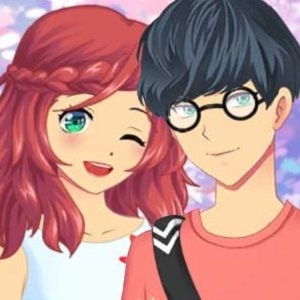
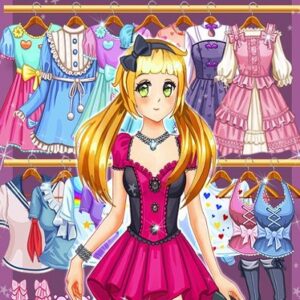
With Anime Kawaii Dress Up and Anime Couple Dress Up, the tag shifts from action to composition. The objective is not to win a match or clear a stage, but to assemble an appealing character image through outfit selection and presentation. This is one of the clearest examples of anime games prioritizing visual authorship over challenge. The player’s decisions are aesthetic rather than tactical, but they still involve judgment: color matching, theme consistency, and how individual clothing pieces alter the final look.
These games attract players who want control without pressure. They are often more open-ended than combat titles, yet they still have a structure built around choice and refinement. That makes them feel closer to digital styling tools than traditional games in some respects. The anime look matters here because character design is already central to the appeal. A dress-up game built around anime expression can make small changes feel meaningful.
How Games Like Genshin Impact and Super Smash Flash Expand the Tag
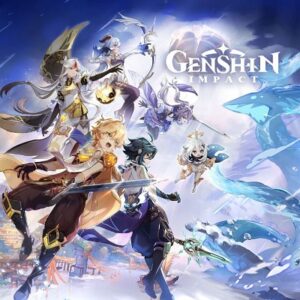
Genshin Impact and Super Smash Flash are useful comparisons because they demonstrate how the anime tag can cover both modern action-RPG systems and crossover fighting design. Genshin Impact spreads progression across exploration, character collection, and combat roles, so the player’s relationship with the game develops over time through team building and resource use. Super Smash Flash compresses its appeal into immediate competitive movement and matchup knowledge. One is built around long-term account growth and character investment; the other is about moment-to-moment performance and reading an opponent.
That difference matters because it shows how anime-style presentation can support either gradual progression or instant mastery tests. A player drawn to Genshin Impact may enjoy building a roster and improving through system knowledge. A player drawn to Super Smash Flash may prefer learning movement options, punishes, and stage control. The same visual language supports very different forms of skill development.
Why the Anime Tag Holds Such Different Player Goals
The most interesting thing about this tag is how often it connects identity to mechanics. Some players come for character familiarity, some for fast combat, some for creative expression, and some for incremental progression. My Dolphin Show sits a little outside the usual anime combat pattern, but its inclusion shows how broad the tag can become when style or audience expectations overlap with playful, animated presentation. The tag is therefore less a single genre than a collection of ways anime aesthetics are translated into playable systems.
Across these games, the core player motivation changes, but the editorial pattern remains consistent: anime games tend to make character presence central. Whether that character is being dressed in Anime Kawaii Dress Up, controlled in Dragon Ball Z Supersonic Warriors, typed to in Death Note Type, or built up through clicks in Pokemon Clicker, the player is usually interacting with a strong visual identity first and a mechanic second. That balance is what gives the tag its range.