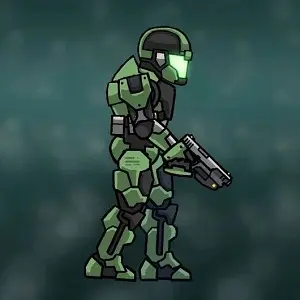
 Raze 3





What Are Alien Games?
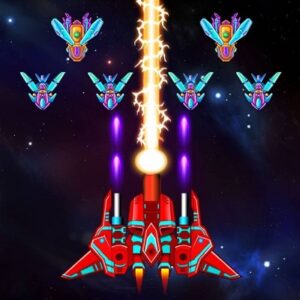
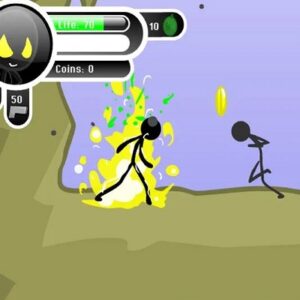
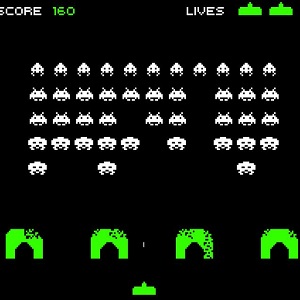
Alien games cover a wide range of play styles, but they usually center on contact with the unfamiliar: hostile invaders, bizarre lifeforms, stranded astronauts, or nonhuman protagonists. In this tag, the alien idea is less about a single genre and more about the way games turn otherness into a rule set. Some titles, like Space Invaders and Galaxy Attack Alien Shooter, frame aliens as enemies to be shot down in waves. Others, such as Alien Hominid and The Visitor, put the alien creature itself at the center of the action, letting players move through human spaces with stealth, aggression, or destructive improvisation. The result is a tag defined by contrast: defense versus invasion, survival versus transformation, and curiosity versus fear.
Popular Types of Alien Games
The most recognizable branch is the arcade shooter. Space Invaders established a structure that still appears in later games: fixed or scrolling movement, repeated enemy formations, and pressure that builds through faster attacks and tighter spaces. Galaxy Attack Alien Shooter keeps that loop alive with more modern pacing, emphasizing dodging, reflexes, and pattern recognition. Raze 3 and Rage 3 lean into combat more broadly, blending alien enemies with weapon upgrades, mission-style progression, and a stronger sense of tactical movement. These games appeal to players who enjoy clear objectives, instant feedback, and the steady improvement that comes from learning enemy behavior.
A different cluster focuses on alien characters rather than alien threats. Alien Hominid uses side-scrolling action to make the alien an active force, often turning the usual “defend against aliens” idea upside down. The Visitor goes further by making the alien’s growth and adaptation the core of play, which creates a more puzzle-driven form of progression. Pou is not a combat game, but it fits the tag through its nonhuman subject matter and creature care structure, where the appeal comes from routine, maintenance, and watching a strange companion develop over time.
How Different Alien Games Approach The Same Idea
What makes alien games interesting is how differently they treat the same basic premise. Space Invaders and Galaxy Attack Alien Shooter are about pressure from above or ahead, with success measured by survival and precision. Alien Hominid uses the alien as a platform for fast, chaotic action, where movement and aggression matter as much as aim. The Visitor replaces direct combat with environmental manipulation and progression through forms of predation, making each step feel like a new capability rather than just a stronger weapon. Riddle Transfer and Riddle Transfer 2 shift again, using aliens as part of a puzzle-adventure structure where logic, exploration, and narrative progression take priority over reflexes.
Skill Progression and Player Motivation
Alien games tend to reward two kinds of motivation. One is mechanical mastery: learning enemy patterns, timing shots, and managing movement under pressure in games like Space Invaders, Raze 3, and Galaxy Attack Alien Shooter. The other is curiosity about transformation and discovery, which fits The Visitor, Riddle Transfer, and Pou. Players often return because alien themes support gradual escalation well. New threats can be introduced as larger swarms, stranger behaviors, or more complex puzzles without changing the core premise. That makes the tag flexible for both short arcade sessions and longer progression-based play.
Beginner-Friendly and More Demanding Experiences
Some alien games are immediately readable. Space Invaders teaches its rules quickly, and Galaxy Attack Alien Shooter offers a familiar dodge-and-shoot rhythm. More demanding games ask for broader control, such as multi-direction movement, ammo or upgrade management, or puzzle sequencing. Raze 3, Alien Hominid, and the Riddle Transfer games each require a different kind of attention, whether that is platforming accuracy, combat timing, or problem-solving across unusual scenarios.
Frequently Asked Questions
Are alien games always shooters? No. They also include puzzles, adventure games, creature-care games, and character-driven action.
Why do aliens work so well in games? They create strong contrasts: familiar settings against strange behavior, or simple rules against escalating threats.
Do alien games usually focus on story? Some do, especially puzzle-adventure titles like Riddle Transfer, but many focus more on mechanics and repeated challenge.